
Around the World with Academy Securities
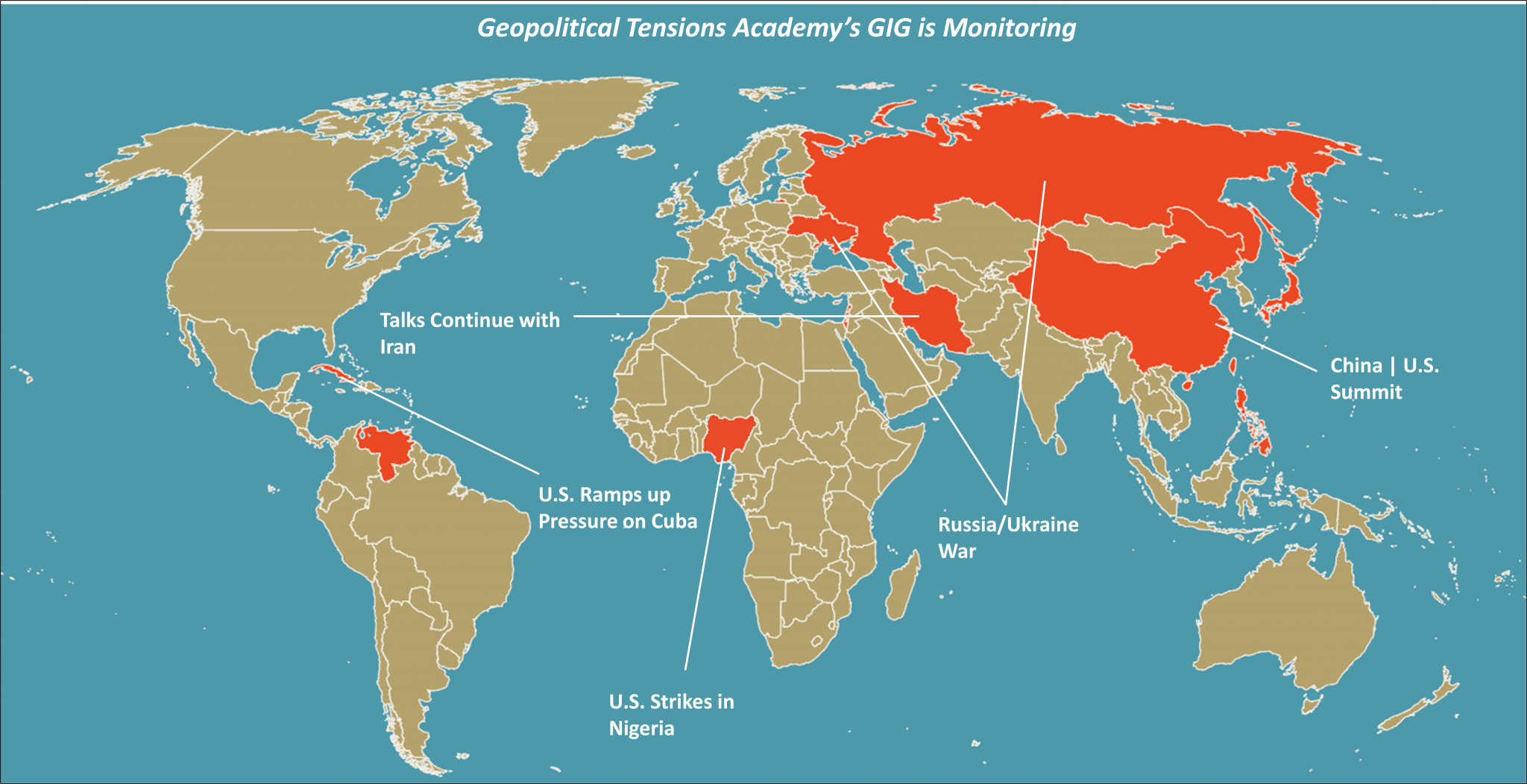
In this month’s edition of Around the World with Academy Securities, our Geopolitical Intelligence Group (GIG) focuses on the following geopolitical tensions that we are monitoring:
- Talks Continue with Iran
- U.S. Ramps up Pressure on Cuba
- Russia/Ukraine War
- China | U.S. Summit
- U.S. Strikes in Nigeria
We begin this report with an update on Iran and the hope that we could be nearing a deal to end the war (in Iran and Lebanon), open the Strait of Hormuz, and pave the way for a 60-day extension of the ceasefire while the U.S. and Iran negotiate the nuclear issue. The deal is not final, but reports indicate that Iran has agreed in principle to the key terms in the MOU. The key sticking points likely include Iran’s demand they be compensated for “providing a service” in the Strait, which is their new approach to collecting revenue and overseeing the Strait, but not calling it a toll. In addition, the sequencing of the lifting of the U.S. blockade (which can easily be restarted again if talks in the second phase go sideways) and the potential release of frozen Iranian assets, even into a “reconstruction” fund, are also likely being discussed. Finally, the nuclear issue, which is the crux of the entire negotiation, will be hammered out during the 60-day period. What Iran agrees to in the non-binding MOU could be directionally telling, but nothing will be final regarding the disposition of the nuclear “dust” or the program itself, and the potential for sanctions to be lifted until a deal is signed. Next, we address the deepening crisis in Cuba, where the U.S. continues to build its case for a change in the regime (though Venezuela is not a good precedent due to different circumstances). We also cover the Russia/Ukraine war and Putin’s meeting with Xi, the China | U.S. Summit, and the recent strikes in Nigeria against ISIS leadership and infrastructure targets.
Please reach out to your Academy coverage officer with any questions and we would be happy to engage.
Front and Center: Talks Continue with Iran
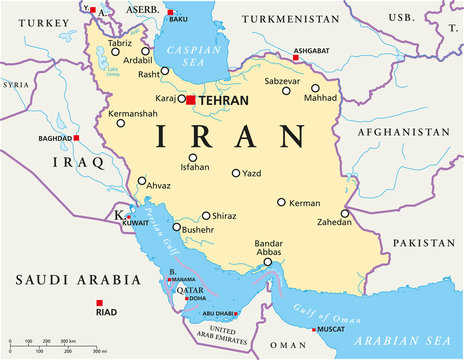 As we reported in our SITREPs and podcasts, the ceasefire with Iran has (largely) held and there is some degree of optimism that an agreement on the U.S. MOU could be forthcoming. According to the reports, the U.S. and Iran have agreed in principle to a deal that would wind down the war in the Middle East by reopening the Strait of Hormuz and by committing Iran to dispose of its highly enriched uranium. Iran’s leaders have not publicly commented on what is in any potential agreement or what is being discussed. The deal has not yet been signed and is still subject to final approval from President Trump and Iran’s supreme leader, which could take days. An agreement on the MOU could also include a phase out of the U.S. blockade, and potentially the release of some of the over $100b in frozen Iranian assets. The other question is the timing on which Iranian sanctions could be released, but that too could happen in stages during the 60-day discussions to finalize the deal. The nuclear program, including the disposition of the highly enriched uranium, will be the main topic negotiated during the timeframe. However, if there is ultimately no deal, the U.S. is prepared to maintain the blockade and increase the pace of interdictions of black fleet vessels coming into and out of Iran. The U.S. could also restart military strikes on Iran, as threatened last week, targeting military capabilities, infrastructure, and potentially regime leadership once again.
“I remain skeptical that, as part of the pending MOU, Iran will willingly give up all control of the Strait of Hormuz. The IRGC has developed a very lucrative protection racket that typically demands payment and detailed information on ships transiting the Strait. This provides Iran with tremendous leverage over the other Gulf nations. I suspect that any agreement that includes Iran giving up control of the Strait would have to come from Supreme Leader Mojtaba Khamenei and indicate his power over the IRGC and the Supreme National Security Council.” – General Tom Bouchard
“I do not expect that Iran will make a deal. Iran will continue to hold out for an unacceptable list of demands. Trump is under significant pressure given the economic impacts and looming votes in both the House and the Senate to limit his war powers. It is going to be very difficult for Trump to bring closure to the conflict in the next 90 days unless he makes significant compromises. The U.S. will need to maintain the blockade and renew strikes to move Iran towards an acceptable settlement. Sustained closure of the Strait of Hormuz could prompt NATO and Asia-Pacific allies to reconsider helping move ships through the transit separation scheme in Omani waters.” – Admiral Kelly Aeschbach
“Several lessons learned from Epic Fury should illuminate next steps. First, the regime in Tehran has demonstrated a level of resistance unanticipated by the combined efforts of the U.S. and Israel. It can be logically assumed that additional strikes against Iran’s governance and control infrastructure will not alter the regime’s intransigence, threshold of pain, or willingness to impose huge punishment on the Iranian people. More pain will simply harden the regime’s intransigence. Second, the Strait must be opened. If the current extremely limited transit through the Strait continues through the summer, global recession is inevitable. The blockade can be lifted and the U.S. with a multinational coalition can execute the mission to search and secure shadow fleet vessels in the northern Arabian Sea. It’s a compromise: Sanctions are partially lifted and Iran’s economy begins a slow recovery as a legitimate market participant. This hinges, of course, on an agreement that denies Iran uranium enrichment without delineated, nonnegotiable inspections. Third, regional nations can coalesce as key players in a potential moderating force on Iran. Saudi Arabia, Qatar, Pakistan, and Turkey have historically assumed influential positions vis-a-vis Tehran and can help shape next steps. Incentivize them to edge Iran into compliance that does not threaten Iran’s sovereignty. The alternative is China and Russia will become the guarantors of the regime. Finally, expect Iranian recidivism. The U.S. strategy of eliminating Iran’s regional and global unharnessed threats must include the capability and intent to punish the regime if it continues to pursue its nuclear ambitions, missile development, and proxy viability. This sustained effort is essential to ensure compliance. Our experience with Operation Northern and Southern Watch over Iraq should be a template.” – General Spider Marks
“From available open sources, it is hard to know who governs Iran. The Iranian President and Foreign Ministry seem to be involved with the negotiations, but BG Vahidi of the IRGC seems to have a veto and a completely different vision. We should assume that the Iranian leadership, however fractured, has a good understanding of American politics and thus of the likely impacts that prolonged conflict will have on the upcoming U.S. midterm elections. POTUS has been consistent – Iran must have no nuclear weapons, but how that is achieved could vary substantially. POTUS has also stuck to his message about opening Hormuz – those nations that depend on Hormuz should help open it, meaning the Gulf exporters and the Asian and European importers. Without an agreement ending hostilities, opening Hormuz requires putting capital ships in danger of Iranian missiles, drones, mines, and fast boats. So far, the economic pain has not led either side to take more drastic actions.” – General Rick Waddell
“It is likely that there will be an agreement between the United States and Iran regarding the blockade, as recent public statements from both sides suggest a willingness to move in that direction. We should also anticipate at least limited, temporary relief from sanctions, particularly related to Iranian oil exports, as part of broader efforts to stabilize energy markets. Both outcomes will be presented domestically as wins: the United States will emphasize restoring commercial access to the Strait of Hormuz, while Iran will portray any sanctions easing as proof that its leverage over the Strait has forced Washington and its partners to compromise. While such an arrangement may be broadly acceptable to the international community in the short term, it will do little to address the deeper sources of regional instability, especially Iran’s support for proxy and terrorist organizations and its continued pursuit of a nuclear weapons capability. Tehran is likely to use any proposed 30 to 60-day period for nuclear discussions both to consolidate internal control and to set conditions for further delay on the core nuclear issues. The Iranian leadership still appears to believe it can outlast U.S. pressure, at least through the U.S. midterm election cycle, betting that domestic political distractions in Washington will create more favorable off-ramps and opportunities to dilute Western demands. Absent a fundamental change in Iran’s political system and strategic outlook, we should not expect any lasting shift in its stated goals toward Israel and the broader West, regardless of short-term deals on the blockade or sanctions relief.” – General Steve Basham
“Viewed from outside the U.S., the present uncertainty stems less from military capability, which remains overwhelming, rather from the absence of a clearly defined strategic objective at the outset of Operation Epic Fury. The capability of the U.S. and Israeli militaries is evident to all, but so too are the limits of military power when dealing with an adversary able to absorb punishment, sustain asymmetric pressure, and exploit ambiguity in political objectives. The lack of a broader coalition framework from the beginning has also contributed to growing caution amongst allies. Many NATO and regional partners are wary of becoming directly involved before there is greater clarity about the political objective and the conditions required for a durable ceasefire. At the same time, the economic effects of disruption in the Strait of Hormuz are already exacerbating domestic political pressures across Europe and Asia. The longer this continues, the greater the risk of strategic division within the wider Western alliance and amongst major trading nations more generally. The recent softening of Russian oil sanctions as fuel prices rise is an early indication of this pressure. It is possible that pressure on Iran from regional actors and key partners, particularly China, may help create the conditions for de-escalation. Equally, the cumulative economic impact on Iran itself may eventually prove decisive. But it is premature to assume either will produce a rapid resolution. From a broader international perspective, the prudent course is therefore not simply to focus on immediate escalation management, but also to accelerate supply chain reworking and strengthen longer-term national resilience. For NATO countries a more conditional relationship with the U.S. is emerging and should be watched closely. European states are now talking simultaneously about strengthening NATO and reducing dependence on the United States in order to ensure that the transatlantic ties remain strong.” – General Sir Nick Parker
U.S. Ramps up Pressure on Cuba
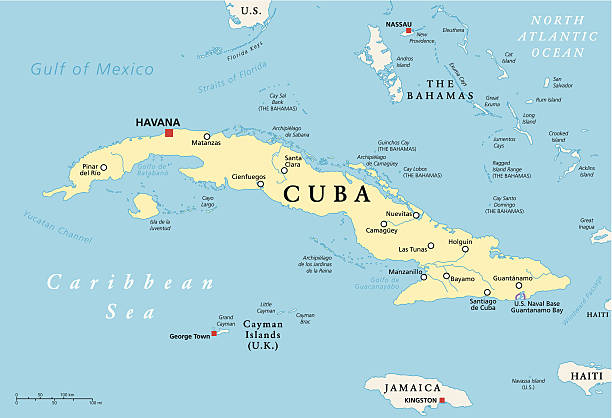
As we addressed in our previous ATW, the economic pressure campaign against Cuba is slowly grinding the economy to a halt. The oil blockade on Cuba has accelerated the energy crisis, and nearly every aspect of Cuban society has been impacted. Cuba is on the brink of an unprecedented humanitarian and economic collapse, driven by a complete depletion of its oil and diesel supplies that has triggered rolling blackouts lasting up to 22 hours a day. The tensions between the U.S. and Cuba reached a boiling point last week after the U.S. Justice Department indicted 94-year-old former Cuban President Raúl Castro for murder, sparking speculation over a potential U.S. regime-change intervention. In addition, the arrival of CIA Director John Ratcliffe in Havana last week was of particular importance, as high level discussions continue between the two countries. It also appears the administration is building its case against the regime in Cuba, similar to how it did so with Maduro in Venezuela. Following the Castro indictment, it was made public that China and Russia have expanded their intelligence operations in Cuba, roughly tripling personnel there since 2023. With respect to the military threat, while Cuba’s conventional military pales in comparison to the capabilities it had during the cold war, news last week also highlighted that Cuba has acquired more than 300 military drones and recently began discussing plans to use them to attack the U.S. base at Guantanamo Bay, U.S. military vessels, and possibly Key West, Florida. While we do not believe a military intervention similar to the one in Venezuela will occur in Cuba anytime soon, it is clear that the pressure is being applied for a reason with an end goal in mind – regime change in Cuba (to a leader more open to working with the U.S.) that will ultimately end Chinese and Russian influence on the island, and open the nation up for trade and economic expansion.
“The current situation in Cuba reflects a strategy of calibrated coercion by the United States, as the island faces one of its most severe economic and energy crises in decades, significantly straining the government’s ability to maintain stability. High-level engagement, such as the visit by CIA Director Ratcliffe, suggests meaningful backchannel negotiations and indicates that U.S. pressure may be generating leverage while also opening a potential path toward de-escalation. Concurrently, military signaling, including the presence of the USS Nimitz, reinforces this pressure framework. Although Cuba is not on the verge of immediate collapse, worsening economic conditions and prolonged power outages point to a possible transition phase, where outcomes could range from negotiated economic adjustments and political reforms to a more gradual, managed transition, all while the United States seeks to avoid sudden instability close to its borders.” – General Robert Walsh
“The arrival of the USS Nimitz CSG in the Caribbean sends a clear message of capability, even though presumably military action against Cuba is possible from U.S. bases without needing the Carrier Strike Group. The Castro brothers’ regime has been a thorn in the side of eleven American presidents, and Raul Castro still hovers over the dilapidating island like a specter. A Maduro-style operation to bring Raul to justice and remove First Secretary/President Diaz-Canel is certainly possible but raises the question of what follows – can the regime left in place ensure stability? Do the other Castro family members and regime leaders flee abroad to live with their ill-gotten gains, leaving behind a collapsed government and chaos, with potentially millions fleeing the island to the U.S. and Europe? Even if an orderly succession is possible, Cuba will remain a charity case for years to some, as it exports little of value, and is dependent on imports for energy and other basic needs. It is not clear that the rest of the world will show up to sustain Cuba – the U.S. certainly will not want help from China – leaving the U.S. bearing most of the costs.” – General Rick Waddell
“While multiple parallels are being drawn between Cuba and Venezuela, they are different scenarios with distinctly different risk factors. Whereas Venezuela suffered the mismanagement of the Chavez and Maduro regimes for decades, the presence of an economically viable commodity there (oil reserves) provides the prospect of successful recovery and re-entry into a western pro-U.S. trade alliance. Additionally, while the people of Venezuela were brought to heel under the autocratic regimes of the last three decades, there was never a true revolutionary mindset or zealotry by the masses. Not so in Cuba. Social services that were lacking in Venezuela are present and resilient (albeit sub-optimal) in Cuba. Unlike Venezuela’s Delcy Rodriguez, whose reversal of position was driven by pragmatism, there is no such pragmatism in the Castro leadership chain. More likely that Raul and his lieutenants will double-down on a ‘people’s democratic Cuba’ than take the money and ‘seek the exits’ to allow regime change. Couple this with the fact that Cuba possesses no significant marketable commodities and is crippled by byzantine infrastructure, and the economic case for a U.S. non-permissive seizure of the island just doesn’t make sense and is quite unlikely.” – General John Evans
“We have more leverage than any previous administration in dealing with Cuba right now and expect to see continued condition setting as we have already done with the Nimitz and accompanying ships in the Caribbean Sea, the indictment of Raul Castro, and new sanctions to pressure a negotiated agreement that removes Chinese and Russian listening posts, and a change in leadership. In this negotiated agreement, President Diaz-Canel is the most likely sacrificial lamb as the head of the government with his 2nd term ending in April 2028 and unable by their constitution to run again. This allows for the administration to formally determine that a recognized, transitional, democratic government is in power and the U.S. trade and investment restrictions on Cuba can be lifted opening doors to U.S. businesses. I don’t think a military confrontation will occur but if it does Cuba knows it will lose but can make the cost of military action sting with their drone purchases.” – General KK Chinn
“I believe it is most likely that we continue to pressure Cuba economically while also messaging preparation for possible military intervention. It is unlikely we will see any U.S. military intervention any time soon. Political signaling and intelligence claims like those indicating Cuban drone capability will also likely continue. Another military engagement would certainly pose significant risk to future readiness as long as we are required to sustain our posture in the Middle East.” – General Lewis Craparotta
“The Cuban breaking point appears near, but not as near as many would think or hope. While the administration’s goal appears to be to create an economic situation that forces the collapse of the Castro regime in a sea of civic unrest while avoiding direct U.S. military intervention, the Cuban people have been conditioned to resist and suffer and will do so until the conditions are truly unbearable. That level of human suffering will require a tremendous influx of immediate humanitarian relief, followed by sustained recovery support, and, finally, robust and sustained economic investment, all of which will require security and stability operations and the logistical and command and control support only the U.S. military can provide. U.S. objectives will come at great cost and not without risk.” – General David Beydler
“Cuba is under severe economic and political pressure, but pressure does not automatically produce regime change. Authoritarian systems can absorb hardship by shifting the burden to the population and blaming the United States. The CIA Director’s reported visit and possible indictment of Raúl Castro are significant signals. Still, military action should not be inferred simply from sanctions, indictments, or intelligence engagement. If there are credible reports of Russian, Chinese, or Iranian one-way attack systems in Cuba, the first requirement is proof, attribution, and a clear threat assessment. Economic pressure alone may not remove Chinese and Russian influence. It can create leverage, but only if paired with a clear political offramp: release of political prisoners, removal of foreign military and intelligence infrastructure, an end to hostile deployments, and movement toward a government that is not a platform for adversary influence 90 miles from our shores. The objective should be strategic denial of adversary influence, not open-ended intervention. Military options should remain available for direct threats, but the main effort should integrate sanctions, intelligence exposure, regional diplomacy, information operations, and support for the Cuban people.” – General David Deptula
“I continue to believe that effecting a change in Cuba will not require military action. The Cuban regime, facing a ruined economy and sweeping energy shortages with no prospect of meaningful foreign aid, does not have time on its side. Meanwhile, the U.S. continues to apply pressure. The indictment of Raul Castro and others intentionally highlights the potential parallel with Venezuela. The recent visit by DCIA Ratcliffe, and the address to the Cuban people by Secretary of State Rubio placing the blame for Cuba’s condition on its leadership and offering a new relationship between the U.S. and Cuba emphasize the U.S.’s commitment to regime change. Change will, I think, come in Cuba through diplomatic and economic pressure.” – Neil Wiley, Former Principal Executive, Office of the Director of National Intelligence
Russia/Ukraine War
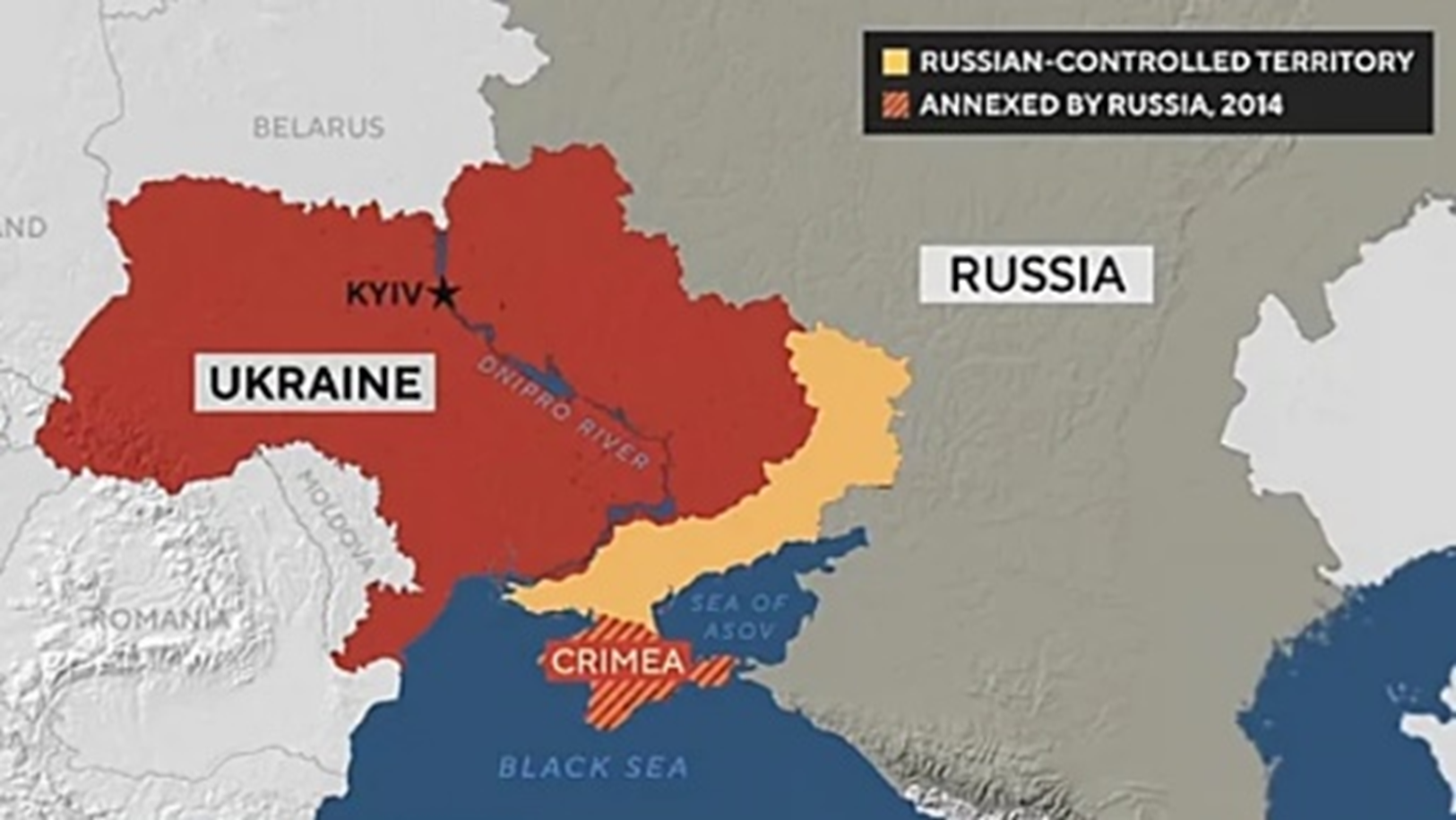 As we addressed in our previous ATW, the war in Ukraine continues, even after Putin said that he believes the war would soon be coming to an end. Over the weekend, Russia conducted one of the largest attacks of the war on Kyiv, and it included the use of an Oreshnik intermediate-range ballistic missile (for only the third time in the war). However, there has been little to no progress by Russian forces on the ground in Ukraine and Russia has actually lost some territory in the eastern part of the country this year. What the last few months demonstrate is that Ukraine (particularly with Europe’s help) can actually keep fighting and is making some progress. Europe stepping up with the $106b economic lifeline and Ukraine’s technical prowess (in light of limited weapons shipments from the U.S. due to the war with Iran) has not gone unnoticed by Putin, and additional support from China was at the top of the agenda during the recent Putin/Xi meeting last week. Putin wanted the world to see that Russia is China’s main partner and to push for more economic engagement, including a finalization of the Power of Siberia 2 natural gas pipeline. The deal was not completed, but we expect it will be eventually. However, with an end to the Iran war on the horizon, China may be less concerned about access to Middle Eastern energy, which continues to give Xi the upper hand in his dealings with Putin.
“The most important outcome of the Xi-Putin meeting on the Ukraine war may not be a military one, but instead the continued institutionalization of the China–Russia relationship. The results are more about signaling Xi’s support for the strategic endurance for Putin’s war. While Xi called for an end to the conflict in the Middle East, he notably refrained from applying similar pressure on Russia regarding Ukraine. China remains a critical economic and diplomatic backstop for Russia, enabling it to sustain prolonged military engagement. From an investment perspective, the meeting reinforces the view that Beijing prioritizes maintaining Russia as a strategic counterweight to Western influence over facilitating a rapid resolution to the war. This dynamic bolsters Moscow’s confidence that time is on its side, diminishing the prospects for near-term negotiations. Overall, the conflict is increasingly characterized as a prolonged geopolitical and economic war of endurance, with China playing a pivotal role in sustaining Russian capacity. The summit therefore raises the likelihood of an extended stalemate and a continued grinding phase in the Ukraine conflict.” – General Robert Walsh
“Apparently Putin got little from his visit with Xi. Ukraine has not only shown itself resilient but also innovative. Despite U.S. and NATO limits on the ranges of weaponry supplied to Ukraine, the Ukrainian-designed/built drone fleets now strike as far as 2,000km deep into Russia. These deeper strikes have complicated Russian battlefield logistics and have taken as much as 30% of Russian oil refineries offline. The latter significantly affects the domestic Russian economy. Incredibly, there are 1.5 million Russian casualties, which is 1% of the entire population, and Russia has now fought Ukraine longer than the old USSR fought Nazi Germany. However, since neither side is willing or able to mass sufficiently for a tactical breakthrough achieving at least operational depth, look for the war to drag on all summer.” – General Rick Waddell
“I believe continued attrition through 2026 is more likely than either decisive victory or a durable peace deal. Wars like this rarely end in outright victory; compromise, ceasefire, reduced violence, or frozen conflict are statistically more common. Putin’s aims have not changed – he cannot tolerate a free, democratic, Western-aligned Ukraine – and he has not yet decided that a compromise of some kind is preferable to continued conflict. Ceasefires are possible but a durable peace is much harder. The war ends faster only if Putin’s expectation of outlasting Ukraine and the West is broken, or if Kyiv is pressured into a settlement that stops the fighting for now, but leaves strategic issues unresolved. I predict prolonged attrition with episodic escalation and intermittent ceasefire diplomacy for the rest of the year.” – General Karen Gibson
“Putin’s claim that the war is winding down should be treated as information warfare, not a forecast. He wants to project confidence, fatigue the West, and convince Washington and Europe that the outcome is inevitable. Ukraine, however, remains capable of holding key terrain and imposing costs through deep-strike capabilities. The summer fighting season is likely to be a grind. Russia will try to exploit U.S. distraction over Iran and any perceived slowdown in Western support. Ukraine will defend, strike logistics and energy infrastructure, and demonstrate that Russia cannot achieve a clean victory. China matters, but Beijing’s role is mixed. Putin needs China as an energy buyer, technology source, and diplomatic shield. Xi may prefer a resolution that stabilizes Europe, but China also benefits when the U.S. and NATO are tied down in Ukraine and the Middle East. Russia’s push for deeper energy ties, including Power of Siberia 2, reinforces that Moscow is increasingly the junior partner. Expect Russia to press, Ukraine to hold and strike deeper, and diplomacy to remain secondary until one side believes battlefield conditions have shifted. The U.S. should not let Iran become an excuse for strategic neglect in Europe.” – General David Deptula
“Comments by Putin notwithstanding, I do not think the war in Ukraine will be winding down any time soon. Peace talks are on indefinite hold. Neither Ukraine nor Russia have the desire to compromise on their stated war aims and, even if their leadership was willing to compromise, I doubt that either Zelensky or Putin now have the domestic latitude to do so. Russia’s position is not as bad as currently portrayed. Russia’s core goal is the capture of the remaining territory in Donetsk, and they continue to make slow but steady progress there. The global energy situation has helped Russia’s revenue situation and its economy, while not strong, is not in danger of collapse. Russia is one of the few large energy providers unaffected by the Gulf Crisis and is making the most of the opportunity. The joint Russia/PRC statement following Putin’s trip to Beijing does not suggest that China put any real pressure on Russia to terminate the conflict. Indeed, there is little benefit to Beijing in the cessation of the Ukraine War. As of the time of writing, Russia and China have not yet formalized an agreement on the Power of Siberia 2 natural gas pipeline, with disagreements still existing over pricing structure and timetables. Given, however, that the pipeline is in the interest of both Russia and the PRC, I expect the agreement to be finalized in the near term. Ukraine, for its part, has commenced a large-scale drone campaign against Russia. Ukraine also appears to have achieved some success on the ground with a counteroffensive in Zaporizhzhia. Neither the drone campaign nor the various Ukrainian counteroffensives, however, will compel Moscow to compromise. Gains on the ground are likely to be ephemeral. Ukraine’s limited military capacity creates difficulties in sustaining offensive action and in exploiting initial success. Ukraine has not successfully held major territory gained in offensives since the Kharkiv offensive in 2022, and the correlation of forces between Russia and Ukraine today is much worse for Ukraine. The drone campaign is causing damage in Russia and has, I think, unnerved Russian leadership to some extent, judging by Moscow’s diplomatic allegations against Baltic states of permitting Ukrainian use of their airspace for drone operations. Even so, the drone campaign will not compel Moscow to back down. Indeed, if a Ukrainian strike causes severe damage in Russia, hits a deeply symbolic target, or results in large-scale loss of life, Russia is far more likely to escalate the conflict rather than retreat from it. The war will continue.” – Neil Wiley, Former Principal Executive, Office of the Director of National Intelligence
“Ukraine’s capability and resilience continue to improve, particularly in areas such as drone warfare and long-range strike capability, while recent European financial support has helped ease immediate resource pressures. Just as importantly, resolve appears to have been strengthened by the continuing ability to deny Russia any decisive success and by growing signs of Russian strain. That said, Ukraine remains constrained by resources and by the long-term burden the war places on society. Russia, despite very heavy losses, continues to show a willingness to absorb attrition on a scale that most Western societies would find difficult to sustain politically. The Sino-Russian relationship remains a complication which has been highlighted over the past weeks, even if this increasingly favors China. With U.S. attention increasingly drawn towards Iran and the wider Middle East, there is unlikely to be significant movement towards a negotiated settlement in the short term. The most probable course over the summer is therefore continued attritional fighting, with both sides seeking incremental advantage rather than decisive breakthrough. From a European perspective, the priority must remain maintaining pressure on Russia while continuing to strengthen Ukraine’s economic and societal resilience. That is why any weakening of sanctions in response to energy pressures is strategically frustrating. The central question is increasingly the degree to which long-term Western resolve and cohesion can shift the balance rather than expectations of a rapid military or political conclusion.” – General Sir Nick Parker
China | U.S. Summit
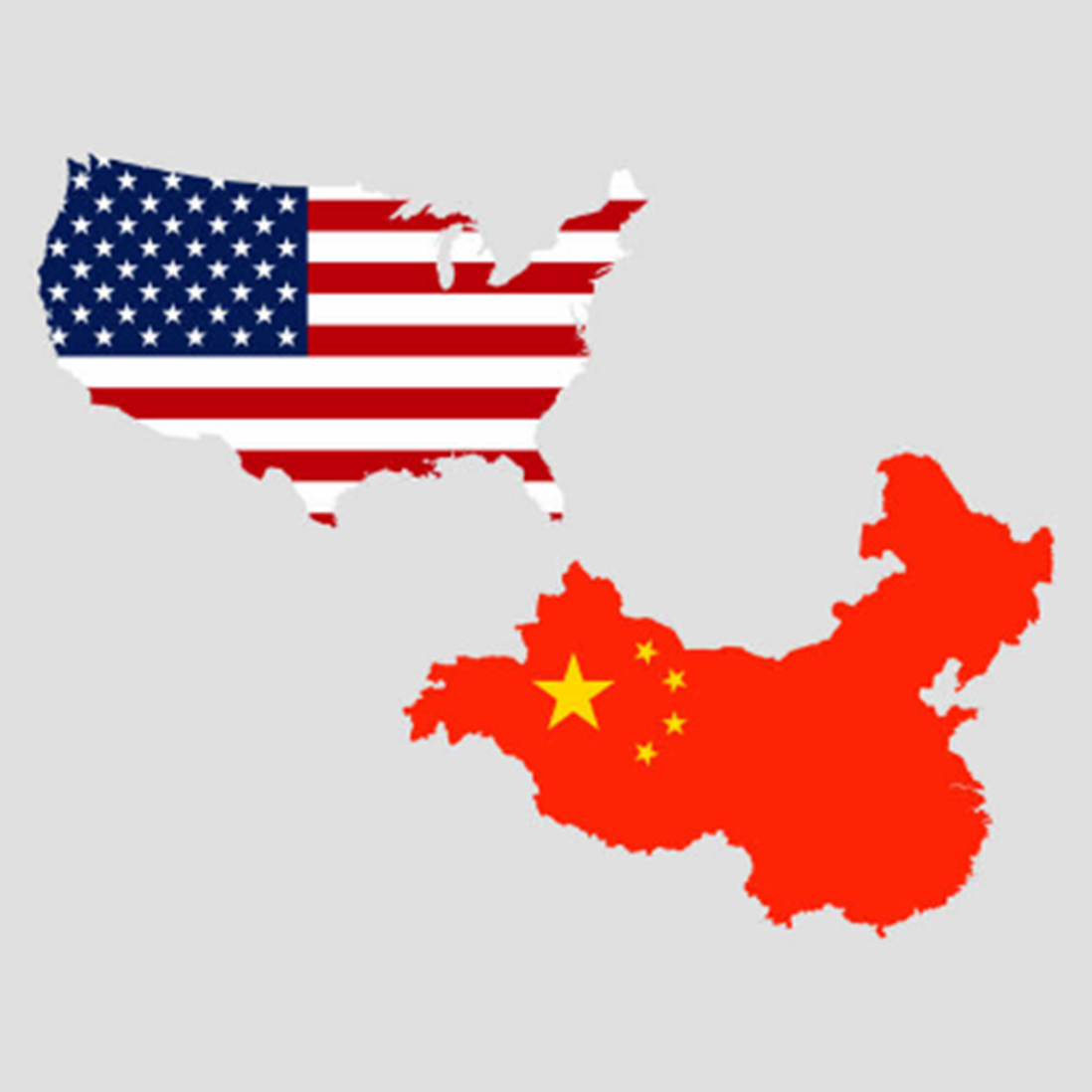 On May 14th and 15th, President Trump and President Xi met for their long-awaited Summit, which had been postponed due to the Iran war. Many of the agenda items were highly anticipated, but as always, what happened behind the scenes was likely the most important part of the Summit. As expected, Taiwan was at the top of the list, with Xi mentioning that if handled poorly, it could lead to conflict and “an extremely dangerous situation.” However, Trump largely eased much of the initial tension by not addressing the issue directly. Notably, the timing of the $14b Taiwan arms deal did come into question. Whether this was a result of discussions surrounding Iran, trade, or other issues remains to be seen. Key breakthroughs include China’s commitment to purchase 200 American-made Boeing aircraft and over $10 billion in agricultural, energy, and medical goods, though the final numbers will have to be confirmed by China. Bottom line is while there were no market-moving announcements from the Summit, it is clear that the U.S. position in the near-term will be to work with China to relieve some of the trade tensions, but it will also continue to focus on the Indo-Pacific and deterring any military actions through the projection of strength and engagement with our allies. It was not a coincidence that the U.S., Philippines, and Japan participated in the 41st annual Exercise Balikatan, which ran from April 20th to May 8th, right before the Summit.
“The recent U.S.–China Summit was less focused on resolving core disputes and more on stabilizing an increasingly tense strategic rivalry, reflecting a clear shift from partnership to long-term competition. Both sides openly acknowledged this reality, emphasizing the need to manage risks associated with economic and military escalation while avoiding direct conflict. Although no major agreements were reached and fundamental issues such as Taiwan, advanced technologies, semiconductors, trade restrictions, and military competition remain unresolved, the Summit achieved its primary objectives of maintaining communication channels, reducing near-term tensions, sustaining economic dialogue, and reassuring markets. Overall, the meeting underscores a mutual commitment to aggressive competition within a managed framework, marking a significant departure from past partnering efforts to preserve strategic cooperation and reinforcing the importance of risk management for investors.” – General Robert Walsh
“No surprise President Xi’s opening salvo during his meeting with President Trump in Beijing was about Taiwan and Trump punched back, making no promises to alter the relationship between Washington and Taipei. China has no incentive to blow up the world order from which Beijing has greatly benefited over the past four decades and which a military invasion of Taiwan would guarantee. The first island chain is a model of economic prosperity and growth. The region is healthy. With the exception of North Korea, regional economic relations are vibrant. Beijing has no interest in challenging it. China tolerates the ‘One country two systems’ accorded its relationship with Taiwan. However, Xi has labeled the ‘Taiwan problem’ his to solve. We’re wise to listen when leaders speak. Diplomacy leads but our economic and military readiness to ensure no imposed correction to the Beijing-Taipei relationship remains the key strategic imperative.” – General Spider Marks
“The Summit produced few visible agreements, but the private exchanges on Taiwan, Iran, trade, and crisis management were likely more important than the public outcome. Taiwan being first on the agenda reflects Beijing’s priority; Iran and Hormuz reflect Washington’s immediate requirement. Any suggestion of slow-walking Taiwan arms support is risky if Beijing reads it as a concession. Taiwan should not become a bargaining chip for Iranian cooperation. The U.S. can seek Chinese pressure on Iran without weakening deterrence in the Indo-Pacific. China can help on Iran, but only within limits. Beijing wants the Strait reopened because it depends on energy flows and wants to avoid a global economic shock. It may push Iran toward an MOU or limited nuclear arrangement, but it will also preserve influence in Tehran and may help Iran rebuild militarily after the conflict.” – General David Deptula
“I don’t expect China will help us get the settlement we are looking for with Iran. This administration does not want China’s help in resolving the conflict; they do not want to promote the idea that China can broker settlements on its behalf. It remains unclear how Trump intends to proceed with the arms sale. He stated this week that he is willing to talk to the president of Taiwan about the arms package which would be unprecedented. A discussion with Lai Ching-te, regardless of content, would send a very strong signal that Trump is not conceding anything to Xi on Taiwan. If the call proceeds, China will likely respond strongly with regional military actions, demarches, and possible walk-backs from commitments made at last week’s talks.” – Admiral Kelly Aeschbach
U.S. Strikes in Nigeria
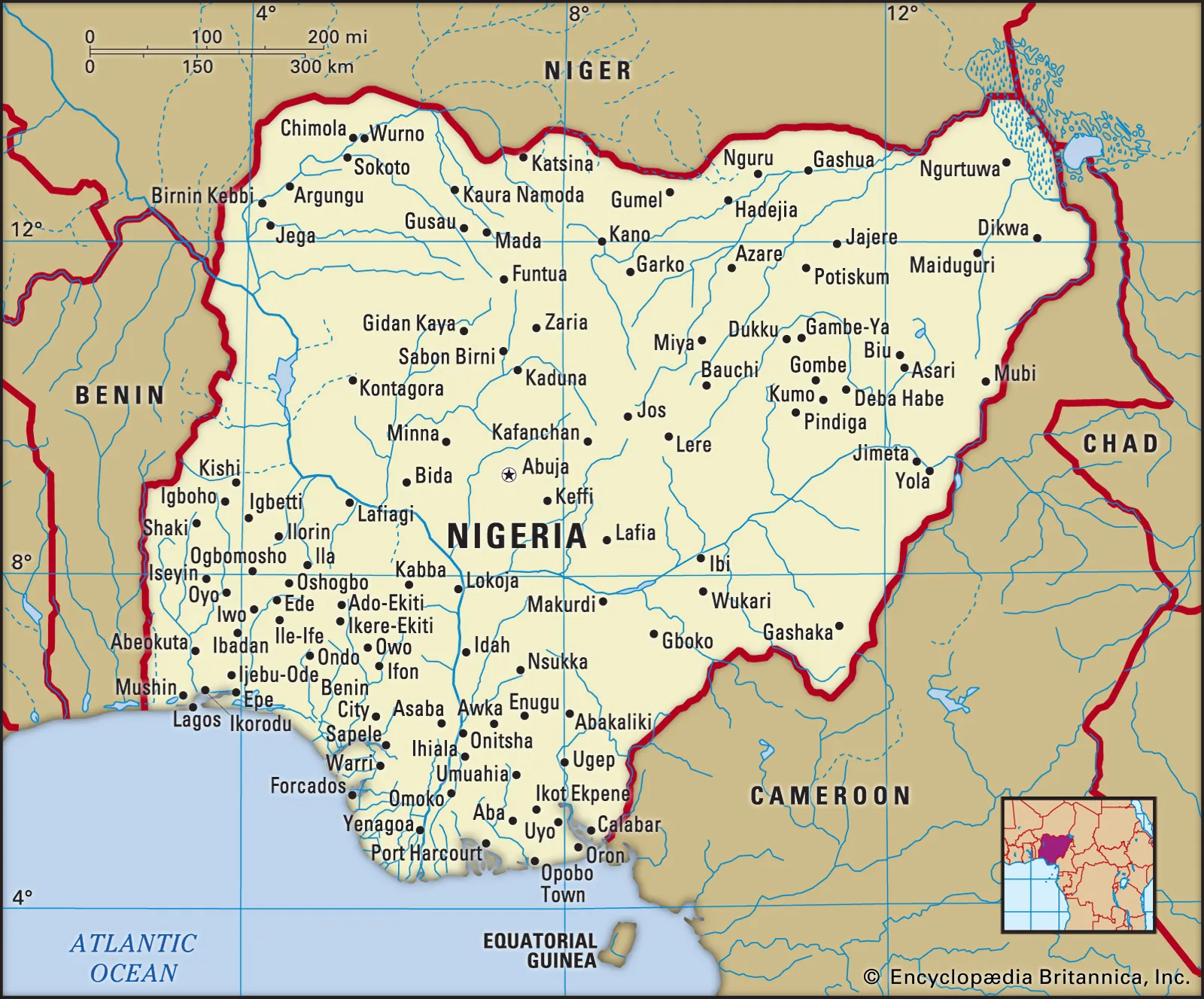 U.S. and Nigerian military operations significantly intensified this month, resulting in a series of joint airstrikes and a high-profile ground raid that killed at least 175 Islamic State (ISIS) and Islamic State West Africa Province (ISWAP) militants in northeastern Nigeria. According to U.S. Africa Command (AFRICOM) and the Nigerian Defense Headquarters, the multi-day offensive destroyed critical terrorist checkpoints, weapons caches, and financial infrastructure, and successfully eliminated Abu Bilal al-Minuki, the global second-in-command of ISIS, along with several other senior leaders. This recent surge, which followed an earlier round of Tomahawk missile strikes targeting ISIS-Sahel camps in northwestern Sokoto State on Christmas Day 2025, marks a major escalation in direct U.S. military involvement in West Africa aimed at permanently weakening the group’s capacity to plan regional and international attacks. While the major impetus for the strike was aimed at protecting the country’s Christian population and diminishing the capabilities of ISIS, the U.S. needs to evaluate if there are other objectives in the region beyond the counterterrorism mission. For example, there is significant Chinese interest in the country, where Chinese firms have invested over $1.3b in Nigeria’s critical mineral sector, aggressively targeting the country’s vast lithium and solid mineral reserves. Beijing dominates more than 80% of Nigeria’s lithium mining projects, funding domestic processing plants. In the near term, the U.S. priorities will focus on the security situation, but there will likely be other transactional opportunities that the U.S. can capitalize on, especially in areas of strategic interest.
“The recent joint U.S.–Nigerian strikes against ISIS-linked fighters suggest a limited expansion of U.S. counterterrorism operations in West Africa, but not a large-scale military buildup. AFRICOM appears increasingly concerned that instability across West Africa is creating space for ISIS affiliates to grow stronger following the decline of Western influence in countries like Niger, Mali, and Burkina Faso and the U.S. special forces reductions from the region during 2024. Nigeria is now viewed as one of the region’s most important security partners and a critical barrier against broader jihadist expansion. The strikes demonstrate the Trump administration’s desire to keep Nigeria from becoming a hub for jihadist expansion. They also signal that the U.S. is quietly rebuilding its counterterrorism posture in West Africa through targeted, lower-visibility operations.” – General Robert Walsh
“These strikes are consistent with the Administration’s stated policy of protecting Christians while still pursuing terrorists. In the first Trump administration, whenever European allies involved in countering Al Qaeda in the Maghreb or ISIS in the Sahel asked for more U.S. support, POTUS would ask why the Europeans themselves didn’t do more. Future U.S. activity in the Sahel will likely still hinge on European involvement. Given that the lead country, France, has all but abandoned efforts in the Sahel, I don’t expect much. As for mining in Nigeria, major U.S. investors will still be hesitant to enter a conflict zone, unlike state-directed Chinese companies.” – General Rick Waddell
“The Nigeria strikes look less like a one-off and more like a limited expansion of counter-ISIS cooperation with Abuja. That does not mean a broad new U.S. war in Nigeria or the Sahel. It more likely reflects a focused use of intelligence, surveillance, reconnaissance, precision strike, and partner-enabled targeting against ISIS nodes threatening U.S. interests, Nigerian stability, and vulnerable civilian populations. There is also a strategic competition dimension. China and Russia are active across Africa, and the U.S. cannot abandon security relationships, mineral access, and influence on adversaries. But counterterrorism should not be framed primarily as a mining-access strategy. The core rationale is preventing ISIS safe havens, protecting civilians, supporting a partner government, and denying extremist groups the ability to threaten U.S. interests. This is likely a limited but more assertive counterterrorism campaign, not a major intervention. The model should be partner-led, intelligence-driven, and precision-enabled, with clear objectives and no drift into nation-building.” – General David Deptula
“I believe this is a limited effort endeavor. We tend not to expend too many resources on the continent, but these types of limited actions help contain behavior in the region. I would classify this as a limited show of force while a preponderance of our forces are tied up elsewhere around the globe. These limited operations are effective in letting everyone know that we still are watching the region and able to take action which would be helpful to any mining or other U.S. companies actions, but I don’t expect much activity other than these smaller efforts due to how our forces are currently dispersed and allocated to the other current missions they have.” – General Brian Cavanaugh
“The strikes do not appear to be a full-scale expansion of U.S. policy but rather a reminder to ISIS proxies that (despite the daunting distances brought by the African continent) our nation remains watchful and ready to pounce. There tends to be a sine wave of terrorist vigilance – and sometimes in the troughs, terrorists get complacent and present operational opportunities. The net benefit is one of disruption to the terrorists’ overall operating system. To expand policy in Nigeria might address even more daunting factors: this country is both the most populous Christian nation and the most populous Muslim nation in Africa. It suffers multiple fissures and societal compressions (rapid population growth, religious divides, herder/farmer divides and conflict, with-oil and without-oil divides, and the encroachment of an expanding desert). Preempting humanitarian displacement will require thoughtful, multilateral efforts over decades.” – Admiral Trey Whitworth
“Terrorist groups in Nigeria pose a serious local threat and have the potential for broader operations. While recent joint U.S.-Nigerian military operations that killed senior ISIS leader Abu-Bilal al-Minuki and several of his lieutenants will diminish the group’s capabilities in Nigeria, they are also likely to inflict at least a short-term setback to the global jihad. ISIS is among the most active groups in the Sahel and West Africa, and Al-Minuki reportedly helped to oversee financing, weapons development, and external operational planning. The group has shown itself capable of quick successions, so longer-term impact will require sustained pressure on both leadership and financing.” – Linda Weissgold, Former CIA Deputy Director for Analysis