
Academy SITREP – U.S. Launches New Strikes on Iran
What Has Happened:
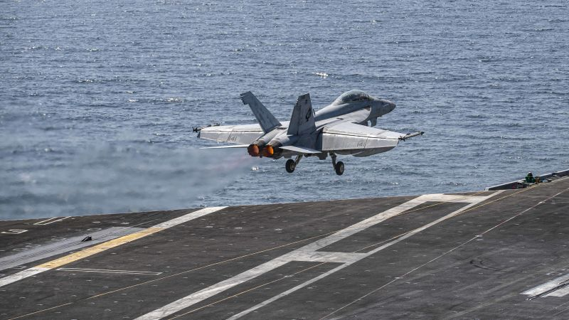
- This evening, the U.S. launched a “series of powerful strikes” on Iran in response to Iranian attacks on three commercial vessels in the Strait of Hormuz.
- The U.S. military is targeting air defenses, coastal surveillance sites, surface-to-air missile (SAM) sites, anti-ship cruise missile sites, drone launch sites, and port facilities.
- Because of Iran’s attacks, the U.S. also revoked a temporary sanctions waiver that had allowed for the sale of Iranian oil on the global market.
- Oil prices surged from around $69 to nearly $73, a nearly 6% increase, after weeks of relative calm in oil markets amid the latest Iran developments.
- Meanwhile, President Trump is currently in Ankara, Turkey for the NATO Summit, meeting with leaders of the transatlantic alliance.
- President Trump announced earlier today that Washington would lift U.S. sanctions on Turkey that were imposed in 2020 over Ankara’s purchase of the S-400 Russian missile system, and also expressed a willingness to sell the fellow NATO ally F-35 fighter jets.
Why It Matters:
“Iran’s strikes against commercial vessels earlier today, followed by powerful American retaliation, closely mirror the strike-counterstrike cycle of late June. Today’s attacks are consistent with Iran’s broader insistence that commercial traffic through the Strait of Hormuz operates under rules that they will establish and enforce, including opposition to vessels transiting the western shipping channel without coordinating with Iranian authorities. Conversely, the United States cannot permit unprovoked attacks against commercial shipping to go unanswered. Once again, Washington is attempting to restore deterrence without destroying options for negotiations aimed at enduring curbs on Iran’s nuclear program. At its core, the current cycle of violence is about who will determine the rules governing one of the world’s most strategically important waterways. Both sides have become increasingly explicit about their red lines, but their positions leave little room for compromise and have very little overlap. Whether the exchange ends here will depend largely on Tehran’s next move. Iran must decide whether to absorb the strikes and preserve the diplomatic track or respond again, risking a renewed cycle of escalation.” – General Karen Gibson
“This appears to be more of the tit-for-tat strikes we’ve seen under the various declared ceasefires. In that, they look like most ceasefires in the modern era – fighting continues at the margins. What is still hard to discern is whether these latest strikes are from rogue elements of the IRGC, or are actual pressure tactics approved by the Ayatollah or some subordinate element of the regime. The Iranian strikes look to be a continuation of an influence campaign to keep ships out of the southern Omani route unless they have approval from the IRGC. Aside from the retaliatory strikes, the U.S. Treasury (OFAC) has suspended export licenses for Iranian oil. Nonetheless, the administration is also saying that they are planning for the next round of negotiations. We may now enter a lull period before the next round of tit-for-tat. The number of ships entering and leaving the Strait had been building before the IRGC hit these three ships. We will see if ship owners are willing to run the risk of damage in the coming days.” – General Rick Waddell
“Timing is everything. Iranian attacks on ships at the start of the NATO Summit and the U.S. response, including reinstating oil sanctions, mean Iran will be at the forefront of discussions and potentially upstage Ukraine once again. U.S. strikes on Iran during the ongoing funeral ceremonies for the deceased Supreme Leader, while much of Iran’s leadership is in Iraq for the religious tributes, will fuel the Iranian domestic narrative that the U.S. cannot be trusted in negotiations. On timing, Tehran may have miscalculated what the U.S. would tolerate during the funeral. Israel may also see the latest flare-up as an opportunity to reinvigorate its own operations against Hezbollah. It is telling that Prime Minister Netanyahu has been quick to set his own path and publicly criticize statements from President Trump on selling F-35s to Turkey.” – Linda Weissgold, Former CIA Deputy Director for Analysis
“Overall, I anticipate that the outcome of the NATO Summit will be rather flat. Success would be no additional worsening of the relationship with NATO, specificity on increased European spending levels (evidence of prudent investments), and continued support for Ukraine. I think we should be looking for whether NATO presses the U.S. to cover its strategic military shortfalls given its investment in addressing the conventional gaps that the U.S. drawdown exposed. It is also critical that substantive deals are signed during the industry component. NATO has increased investment but is running into significant challenges with industrial capacity to deliver, especially with the motivation to source in Europe. There could be notable developments on the sidelines of the conference if Trump decides to do more to boost Zelensky’s capabilities. Ukraine’s recent successes against Russia bode well for favorable consideration by Trump. Trump may also follow through in lifting sanctions on Turkey, which would create new challenges for NATO on Turkey’s integration if there is not an adequate solution to the S-400.” – Admiral Kelly Aeschbach