Around the World with Academy Securities
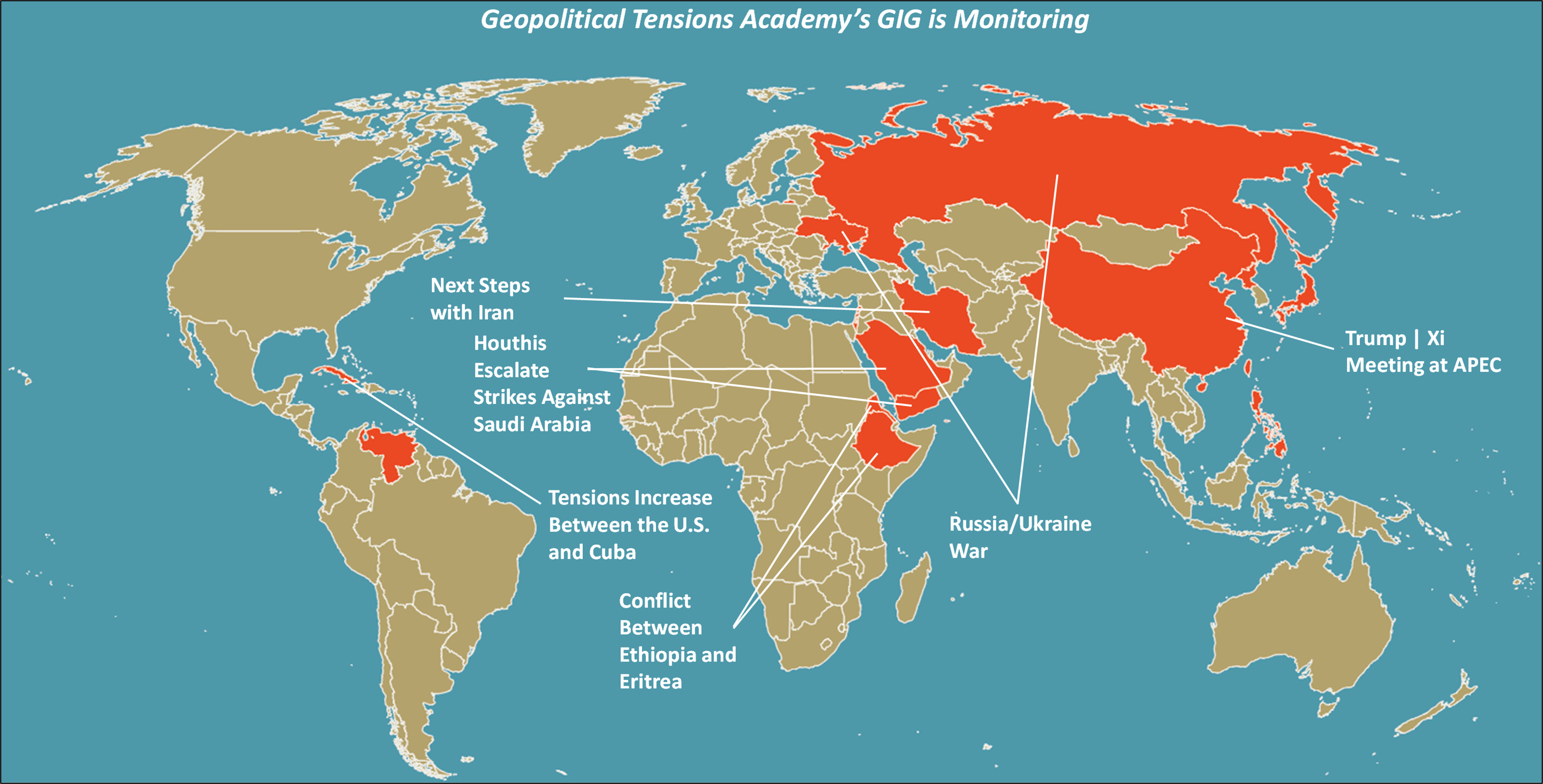
In this month’s edition of Around the World with Academy Securities, our Geopolitical Intelligence Group (GIG) focuses on the following geopolitical tensions that we are monitoring:
- Next Steps with Iran
- Houthis Escalate Strikes Against Saudi Arabia
- Tensions Increase Between the U.S. and Cuba
- Russia/Ukraine War
- Conflict Between Ethiopia and Eritrea
- Trump | Xi Meeting at APEC
We begin this month’s ATW with a recap of our 6th annual Annapolis Summit. The event included guests from across the country ranging from executives at large corporations to asset managers and investors. The Summit featured a geopolitical and macro strategy panel as well as a cyber/AI panel, and for the first time, defense tech and municipal finance breakout panels as well. We also ran a war game scenario related to a simulated crisis in Cuba. In this month’s report, we provide an update on the conflict with Iran and possible next steps after the upcoming U.S. (and Israeli) elections, which could include a limited military campaign designed to increase U.S. leverage and force Iran back to the table. Next, we report on the fighting between Saudi Arabia and the Houthis, where Houthi strikes have resulted in more casualties inside the Kingdom and threaten the Saudi strategic plan to diversify its economy away from oil. We then provide an update on the tensions between the U.S. and Cuba. We also report on the war in Ukraine where there might be some movement toward peace discussions involving Russia, Ukraine, and the U.S. in November. Next, we cover the conflict between Ethiopia and Eritrea and the risk that the fighting in the Horn of Africa could spread regionally. Finally, we provide our perspective on possible agenda items that will be covered during the Trump | Xi meeting at APEC in November.
Please reach out to your Academy coverage officer with any questions, and we would be happy to engage.
Front and Center: Next Steps with Iran
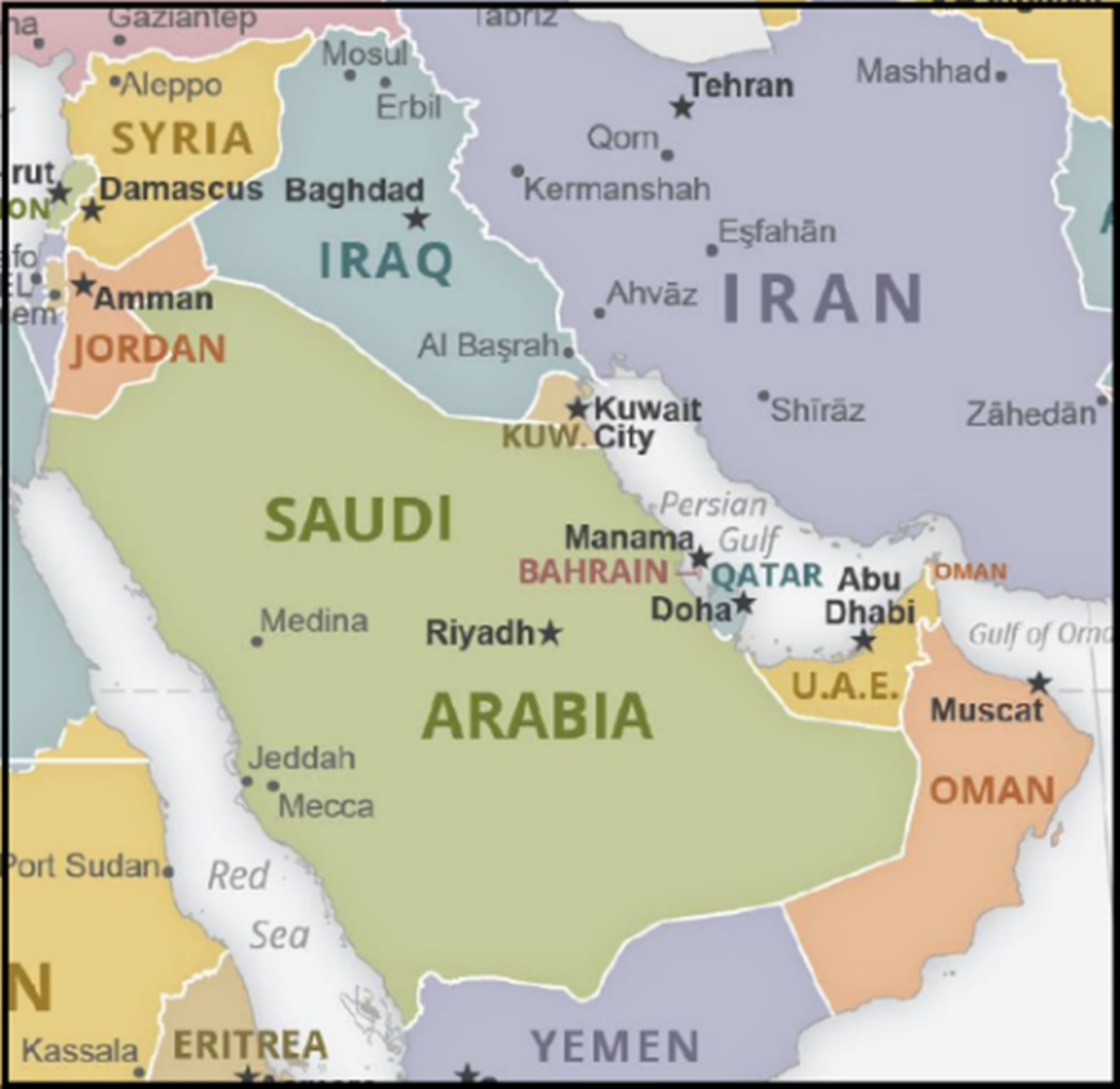 As we reported in our previous ATW, the conflict with Iran continues with economic pressure being used as the primary tool to try to bring the Iranians back to the table to negotiate an end to the war. However, the threat of new strikes remains, and if there is no forward progress after the upcoming U.S. elections on November 3rd, there is a growing probability that the U.S. and Israel could return to a limited but forceful series of strikes to increase their leverage in driving an acceptable deal to fruition. Recent news has indicated that the U.S. and Israeli militaries have drafted detailed plans for a short, intensive three-day joint operation against Iran that is slated to begin after the U.S. midterm elections. These proposed strikes would likely target Iran’s nuclear facilities, energy infrastructure, and missile and drone stockpiles, designed to force Iran to accept concessions. In preparation for the offensive, both nations have stepped up joint military exercises, which recently included an Israeli Air Force training mission that flew through Iraqi airspace directly to the Iranian border. Prime Minister Netanyahu faces domestic pressure ahead of his October 27th election, and he has highlighted his order to the Israeli military and intelligence community to finish the job and facilitate an overthrow of the Iranian regime. Meanwhile, the U.S. continues to enforce its naval blockade. Indirect negotiations continue, but remain at an impasse regarding the 7-day Iranian-proposed ceasefire, largely because the U.S. has insisted that new provisions be included that would make the agreement more favorable to the U.S. and would not offer as many incentives to the Iranians. President Trump has publicly ruled out launching major combat operations before November 3rd, and recently argued against a multi-day Israeli offensive in October. In response to the threat of post-election strikes, Iran’s Islamic Revolutionary Guard Corps has transitioned to a new “offensive” military posture. Iran has threatened to expand its retaliation by targeting regional U.S. bases, data centers, and critical undersea internet cables, in addition to continuing its campaign to disrupt commercial shipping in the Strait of Hormuz. The timeline for an official decision is approaching the “red zone,” and we believe that the intention is to use the threat of force, which would include assets from the USS Theodore Roosevelt CSG, in addition to the USS Makin Island ARG, which are set to arrive in the 5th Fleet AOR mid- to late November. This will bring the number of CSGs in theater to three, as well as add a second ARG, which will give the U.S. additional resources to conduct heavy round-the-clock air operations as well as provide options for ground operations against islands in the Strait if the order is given.
“Both the U.S. and Iran appear interested in ending the conflict, but neither side believes it can secure the concessions necessary to claim a favorable outcome. Although Iran is experiencing significant economic strain from the U.S. blockade, sanctions, and asset freezes, it has prolonged negotiations while calculating that sustained conflict will increase political pressure on President Trump through higher energy prices and domestic political challenges ahead of the midterm elections. Even a renewed U.S. air campaign may not compel Iran to accept U.S. demands, and threats of post-election military action may primarily serve as Trump’s way to gain negotiating leverage. Meanwhile, Iran has intensified attacks on commercial shipping in the Strait of Hormuz and, through its Houthi proxy, increased strikes against Saudi civilian infrastructure. Despite mounting economic and military pressure, Iranian leaders have shown little willingness to abandon their core negotiating positions. Control of the Strait of Hormuz remains Iran’s principal source of leverage and a central objective in any settlement. While U.S. economic actions have constrained Iranian resources, they have not demonstrated an ability to force major concessions. Given recent Iranian successes against commercial shipping and continued Houthi attacks on Saudi infrastructure, Iran is likely to maintain or increase military pressure in the near term.” – General Robert Walsh
“The U.S. Administration is seeking to alter the narrative of the Iran conflict despite having few pathways to drive meaningful change. Renewed kinetic operations against Iran immediately following U.S. midterm elections provide a low probability, high payoff option, but depends on combining effective strikes with the increasing economic stranglehold that has dramatically slowed illicit Iranian oil deliveries. The U.S. is positioning forces in the region to calibrate strikes against Iran’s rapidly growing stockpiles of drones and ballistic missiles, increasingly built and stored in underground facilities, and the military radars and forces arrayed along the coast that most readily threaten shipments passing through the strait. The U.S. will also likely strike some nuclear-related facilities and mid-tier military leaders, but avoid striking national-level leaders. Strikes against internal energy distribution infrastructure are possible for messaging, but larger strikes against oil extraction, refineries, or shipping are less likely due to the probable Iranian response against regional oil and economic infrastructure. These focused activities for 3-7 days, expanding perhaps up to two weeks, are unlikely to change Iran’s calculus absent pressure from Russia or China, which we will likely request through backchannels but not achieve, and the conflict will most likely settle into a frozen, episodic conflict for several months with the U.S. maintaining the current blockade, aiding oil shipments, and defending against Iranian missile, drone, cyber, and asymmetric attacks against people, forces, and critical infrastructure.” – General Jeff Kruse
“We need to settle in for a prolonged confrontation rather than assume another round of strikes will produce a decisive outcome. Mike Waltz’s acknowledgment that the current stalemate could persist a year from now is a significant signal about the administration’s planning assumptions. The question is increasingly how we sustain pressure, protect our forces and partners, and preserve a realistic negotiating path over time. Couple this reality with the ongoing threats to U.S. personnel in the region and the tensions will simply persist. Additional strikes could degrade capabilities, but degradation and political resolution are different objectives. Before expanding operations, we should be clear about the specific change in Iranian behavior we expect and why the proposed military action would produce it. Leadership losses do not necessarily yield more accommodating successors, and damage to civilian energy infrastructure could deepen hardship without changing the regime’s calculations. We also need to account for Israel’s October 27 election alongside our own midterms. Netanyahu has an incentive to demonstrate that his approach has improved Israel’s security, but we should not assume either his reelection or an opposition victory fundamentally changes Israel’s assessment of the Iranian threat. The outcome could affect the timing of military action, coordination with Washington, and the space for diplomacy. Passing both electoral milestones could remove a temporary restraint on escalation without resolving the underlying question of what another round of strikes would accomplish. Russia and China may have useful influence, but we should distinguish their access to Tehran from their willingness and ability to deliver Iranian concessions. Any assistance should be judged against observable results rather than promises of influence.” – Shelby Pierson, Retired U.S. Intelligence and National Security Executive
“The evidence is strong that the U.S. and Israel are preparing for renewed combat operations against Iran: additional combat power will soon be on station and there’s credible reporting of joint military planning and rehearsals. But we don’t have insight into whether the President has actually authorized follow-on strikes, nor do we know the precise targets under consideration. In short, military action is possible, but not inevitable. Physical destruction should not be an end in itself, but an instrument for achieving broader goals. Should the U.S. and Israel commence a new kinetic phase, the real question will be what we seek to accomplish that hasn’t already been achieved through eight months of warfare, strong economic pressure, maritime interdiction, and diplomacy. Potential aims include degrading Iran’s military capacity in order to reduce threats against commercial shipping, the U.S., and our allies; punishing Iran for ongoing attacks and deterring future ones; compelling concessions or changing Iran’s negotiating position; further weakening Iran’s economy, pushing it closer toward collapse; or further disabling Iran’s nuclear program. If there are strikes, we should learn more about the campaign’s specific aims and how they fit into a broader strategy from both government pronouncements and the targets that are selected (e.g., military capacity alone, or an expansion to include nuclear-related targets or revenue-generating infrastructure). That said, this remains a contest of wills and endurance. I agree entirely with Shelby that we should settle in for a prolonged confrontation, regardless of what the next weeks and months hold.” – General Karen Gibson
“Kepler reported this week that crude flows through Hormuz are at 82% of pre-war. Combined with volumes using the bypass pipelines, crude flows are higher than pre-war. What is more difficult to find and confirm are flows of LNG, gasoline, diesel, LPG, and urea. One report had Qatar LNG flowing at 20% of its pre-war volumes in September. Qatar had supplied ~20% of the world’s pre-war total. For the LNG markets in Asia, the U.S. added LNG capacity this year, allowing the U.S. to export 23% more year-to-date than in 2025. Still, the added expense of longer transport, higher insurance premia, and competition with Europe means that LNG prices in the Japan-Korea market are running ~9 times the U.S. price at Henry Hub. Should the U.S. continue its blockade, world markets will not appreciably suffer from physical lack of LNG and crude. Increased transport costs for all hydrocarbons and the missing refined fuels from the Arabian Gulf, combined with California shutting down 18% of its refining capacity in 2025 at the same time that Europe shut down ~350,000 barrels per day of its refining capacity, means that LNG for Europe and Asia will remain high (thus driving higher electricity prices) as will world prices for gasoline and diesel. Any renewed strikes by the U.S. and/or Israel will drive a price spike. Expect those strikes to target any regrowth in Iran’s nuclear facilities, and possibly key land routes into Pakistan, Turkey, and Central Asia (bridges and rail lines) to further isolate the Iranian economy and deny the IRGC funds needed to re-arm and advance its nuclear program. Since the U.S. has maintained a robust naval presence in the Middle East for almost 50 years, presumably we can continue to do so, albeit at higher optempo costs, to enforce the blockade.” – General Rick Waddell
“Absent internal regime change, for which at this point at least, there does not appear to be much prospect, I think we will be looking at a protracted, low-level conflict punctuated by the occasional round of more intense fighting. While Iran is weakening due to the ongoing blockade and sanctions, its governing regime has the will to endure hardship, and the ability to suppress dissent. At this point, they have little incentive to make a meaningful compromise. The Iranian regime’s actions so far have been aimed at demonstrating resilience, and creating cost and uncertainty for the U.S. and its allies, particularly in the lead-up to U.S. midterm elections. We see this reflected in an outwardly confident ‘negotiating’ position, and in ship attacks and proxy activation. After the midterm elections, I think the U.S. position will change a bit. Whatever the election outcome, the administration will be looking for an acceptable exit from the current situation. The shape of that exit will depend on what the administration defines as ‘acceptable.’ In my view, ‘acceptability’ will look something like an environment in which the Iranian regime, while remaining in place, rules a country which is economically isolated, militarily weak, incapable of nuclear weapon development and which, while able to be a nuisance, cannot control the flow of shipping through the Strait. To this end, I think the administration will conduct a valedictory round of strikes on Iran focusing on remaining nuclear capability and military industry, leave the blockade and sanctions in place, and continue to work with regional and other partners to ensure an acceptable transit rate and cost through the Strait. The frequency of subsequent military operations against Iran will depend on how aggressively Iran challenges this environment. To be clear, whatever we might call this, it won’t be an exit. There would still be an untidy, semi-frozen conflict with a requirement for considerable U.S. force presence. It would also be, however, a state of affairs in which time works against Iran more so than it does the U.S. and which, in time, might well lead to a more favorable long-term outcome. As regards Russia, I expect that the Trump administration is trying to leverage whatever relationship it has with Russia to its advantage in the Iran problem. The Russians are probably willing to assist in mediation and, perhaps, reduced support but will, of course, expect a quid pro quo in Ukraine.” – Neil Wiley, Former Principal Executive, Office of the Director of National Intelligence
“Renewed U.S. strikes are unlikely to alter Iran’s strategic calculus, but they could prompt asymmetric counterstrikes, including regional attacks on U.S. citizens, according to leaked reporting attributed to the Director of National Intelligence. The conflict underscores the declining deterrent value of military force used in isolation. Iran’s strategy remains focused on regime survival, exploiting the Strait of Hormuz, and imposing broader economic costs on regional states to weaken U.S. political resolve. Without a negotiated settlement requiring significant concessions from both Washington and Tehran, the United States will need to sustain economic pressure, strengthen security along the southern Strait of Hormuz transit route, and continue to support an improved regional defensive posture. We must understand the fallacy of a short conflict. Expectations of a short conflict are increasingly unrealistic. Defining an end state, particularly one that appears to shift, is insufficient; the administration also needs a feasible, acceptable, and suitable strategy to achieve it. The most consequential decision is not which targets to strike, but which political outcome the United States is prepared to accept.” – General Robert Ashley
“I believe it is unlikely that the U.S. will return to large-scale strikes in Iran. There is the possibility that the U.S. will strike targets related to the Iranian nuclear program, especially if activity at these sites continues to increase. The blockade and sanctions are likely the best way to maintain pressure on Iranian leadership including the IRGC. Reporting indicates that the blockade has dramatically reduced oil exports, the primary source of Iran’s revenue. Inflation and cost of goods are having a significant impact on the population. I see the most strategically important long-term challenge being oil and what is being reported by Iran International is that the inability to ship oil, combined with the limited storage capacity, could force Iran to shut down oil wells within weeks, potentially causing permanent production capacity losses of 300,000 to 500,000 barrels per day due to water coning. This potential for the permanent loss of production capacity could force Iran to negotiate in the coming weeks as it will certainly impact the longer-term ability for the country to recover when hostilities end. The strategic importance of maintaining the blockade should remain a priority and completely opening the Strait while the blockade remains in place should probably be the U.S. negotiating position.” – General Lewis Craparotta
Houthis Escalate Strikes Against Saudi Arabia
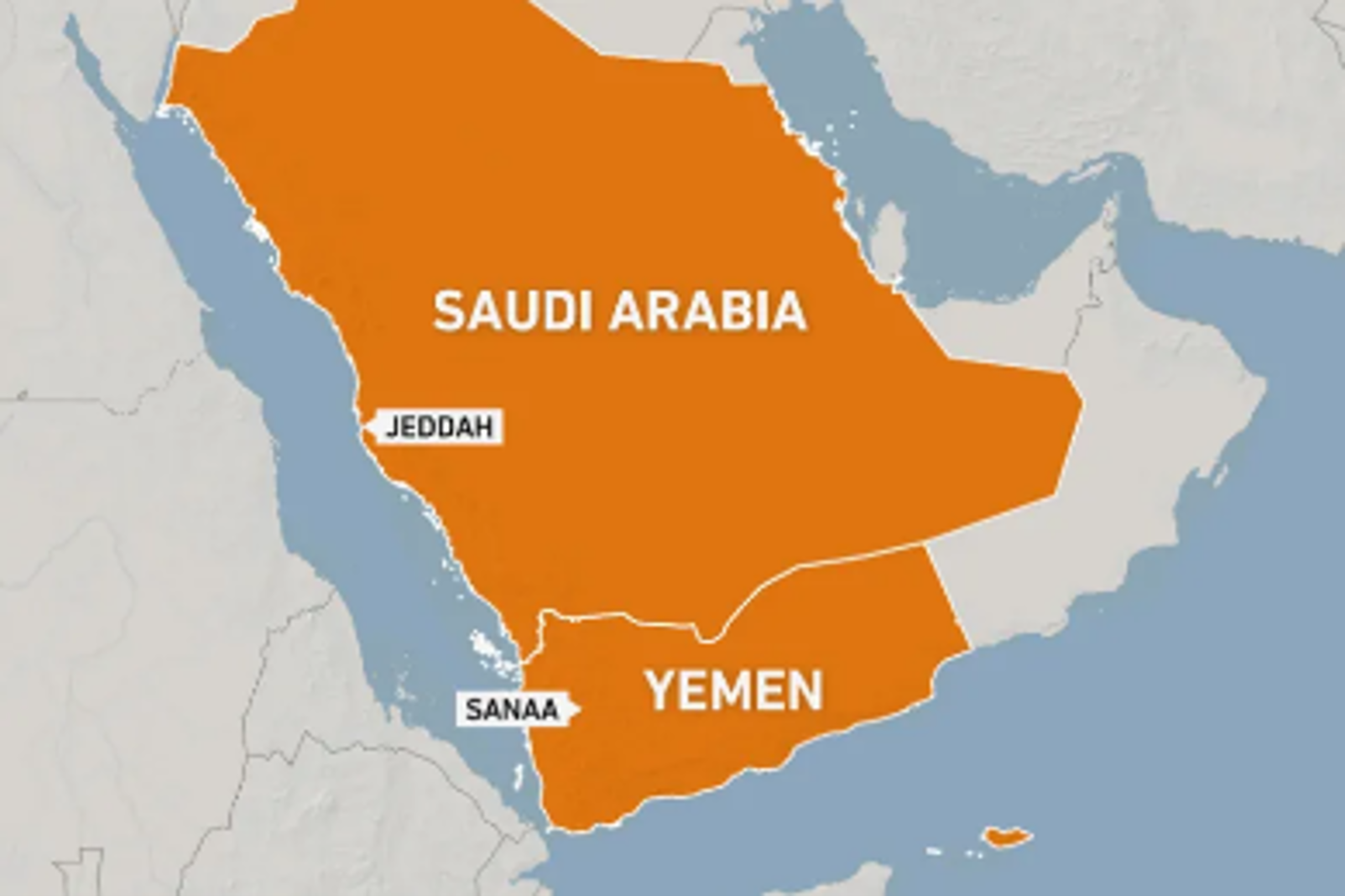 As we addressed in our previous ATW, the conflict between Saudi Arabia and Yemen’s Iran-backed Houthis continues to escalate. This month, Houthi forces launched several deadly missile and drone attacks targeting Saudi Arabian infrastructure, including civilian airports and energy hubs. A recent fatal strike on King Fahd International Airport and a drone strike on an oilfield collectively resulted in multiple civilian casualties, including one American citizen. In response to the attacks, Saudi Aramco ordered its staff to evacuate its main headquarters complex in Dhahran and transition to remote work. The widespread disruption has forced regional flight suspensions and heavily impacted the Saudi economy, even prompting the postponement of a major international investment conference (Davos in the Desert). The U.S. State Department ordered the mandatory departure of non-emergency government personnel and their families from its missions in the Kingdom. While the U.S. has not intervened militarily against the Houthis following these attacks, the UK and France have stepped forward to offer defensive military aid, such as deploying fighter jets to protect Saudi cities. On the ground in Yemen, fierce fighting continues as Houthi forces targeted the major city of Taiz and launched strikes against Saudi-backed government forces. Saudi Arabia had some success recently in intercepting Houthi ballistic missiles and drones fired at civilian targets, but has requested additional assistance from the U.S. With limited interceptors available due to demand from other countries in the region to protect their critical infrastructure against anticipated Iranian attacks following any return to major combat operations, the current U.S. position is to continue to offer the Saudis intelligence and targeting assistance instead. Even with a 3rd CSG entering the region in the coming weeks, the U.S. would be significantly stretched if it commenced operations against the Houthis at the same time as conducting high intensity (even if limited) strikes against Iranian targets.
“Houthi attacks on Saudi Arabia have become part of the broader Iran-U.S. confrontation, with Saudi Arabia increasingly serving as a pressure point for Iran. Iran is leveraging the conflict to strengthen its negotiating position and encourage Saudi Arabia to advocate for reduced U.S. pressure on Iran. While Saudi Arabia has strong economic incentives to pursue a peace agreement with the Houthis, negotiations risk legitimizing Houthi dominance in Yemen and prompting additional concessions. The Houthis, meanwhile, view their missile and drone campaign as a means to reduce Saudi support for Yemen’s internationally recognized government and disrupt Saudi Arabia’s economic development ambitions. Although Saudi airstrikes have intensified, they have not eliminated the Houthis’ ability to launch attacks. In response, the Saudis expanded international cooperation, drawing support from countries such as Pakistan, Turkey, France, and the United Kingdom to help protect critical energy infrastructure. Discussions regarding potential Egyptian involvement could further broaden the conflict regionally, a development that aligns with Iran’s strategic objectives.” – General Robert Walsh
“The Houthis have inflicted severe reputational damage on the Saudis, and not insignificant economic damage. The Houthis will continue this campaign as long as they can get the components to assemble into drones and missiles. One should ask where the components originate and how they arrive in northern Yemen, and who does the assembly. Of note is the British willingness to send fighters which might be of use against Houthi drones. Worth watching is whether the recent mutual defense pact between the Saudis, Turks, and Pakistanis results in substantial and relevant deployments from the latter two nations to help defend Saudi Arabia, or to engage in offensive operations against the Houthis. The Trump administration has called for allies to do more in defense of the region, and maybe in this instance they will. Nonetheless, in the near term, expect more of the same.” – General Rick Waddell
“The conflict between Saudi Arabia and the Houthis has become somewhat internationalized, with both the French and the British deploying military capability to aid the Saudis. However, to date, this support, and the support offered by other countries to Saudi Arabia, has not included any offer of substantial ground forces to take on the Houthis in Yemen. Without resolution, the continuing Houthi attacks are increasingly likely to threaten the economic objectives of Saudi Arabia and other regional states to attract capital and shift from petroleum toward a more Western-oriented digital economy. Houthi demands of the Saudis include halting all military operations against their forces, lifting controls on Houthi-controlled ports and airports, paying government wages, and giving control of Yemen’s oil and gas resources to the Houthis. It is difficult to see how this conflict is resolved in the near term. However, an escalation in hostilities after the U.S. midterm elections may include a resumption of U.S. strikes against Houthi targets, especially after the arrival of the third U.S. Aircraft Carrier Strike Group led by the USS Theodore Roosevelt, late next month.” – General Tom Bouchard
“The current conflict between the Houthis and the KSA is yet another resurfacing of a situation which began with substantial friction in 1990s Yemen, and which broke into armed conflict in 2004. The specifics are complex, but the issue fundamentally revolves now around Houthi desire for political control in Yemen, and the KSA’s desire to have a stable and friendly Salafist Yemen on its southern border. As has been pointed out, this situation will not resolve itself anytime soon. I think the Houthis will continue to pressure KSA to lift what they refer to as a ‘blockade’ on Houthi-controlled ports and airfields in Yemen, and reduce its support for the current government, by striking Saudi transportation and energy infrastructure. They have to be cautious, though, since another high-profile strike with significant casualties risks drawing a reluctant U.S. into the conflict. The U.S., for its part, will attempt to avoid direct conflict with the Houthis. It doesn’t need another Middle East conflict or a closure of the Bab al-Mandab Strait right now. I think the U.S.-preferred approach will be to provide continued intelligence and materiel support to KSA while encouraging regional allies to take a more prominent role in bringing about whatever security solution arises. The U.S. will also work aggressively to bring about another ceasefire. Further, the current unpleasantness in the Arabian Peninsula does have a direct connection to the Iran conflict. While the Houthis are an Iranian proxy and may well have acted this time either on the encouragement of Iran or because the Iran conflict created favorable conditions, they are also independent actors to a much greater degree than other proxies. Demonstrating that alignment with Iran is not in Houthi long-term interest might be useful in peeling them away. If the Iranian ship is sinking, the Houthis won’t go down with it. Like it or not, however, another highly destructive strike on KSA, Houthi closure of the BAM to shipping, or the imminent collapse of the government of Yemen could draw the U.S. into direct conflict again.” – Neil Wiley, Former Principal Executive, Office of the Director of National Intelligence
Tensions Increase Between the U.S. and Cuba
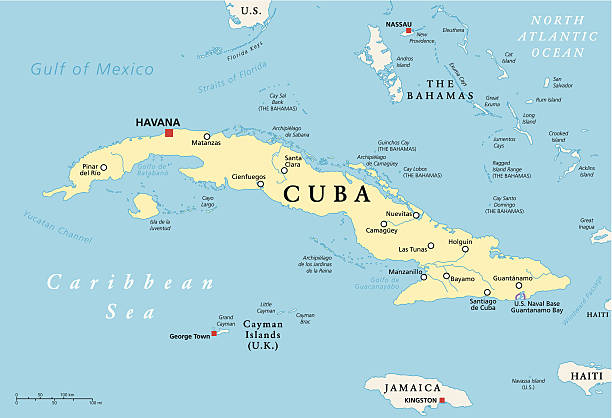 As we have reported, the U.S. has significantly tightened its “maximum pressure policy” by implementing a strict fuel blockade on oil tankers heading to Cuba and added layers of sanctions on the country to try to drive the communist regime in place toward accepting changes acceptable to the U.S. The strategy has decimated the island nation’s infrastructure, resulting in a severe nationwide energy crisis and several power grid collapses. Ahead of the October 27-28 UN General Assembly vote on the 60-year-old trade embargo, Cuban Foreign Minister Bruno Rodríguez Parrilla accused the U.S. of using “blackmail” to influence other members. Specifically, Cuba alleges that U.S. officials are threatening countries with tariffs and visa restrictions if they support the resolution to lift the embargo. In addition, Florida’s Attorney General issued a state arrest warrant for former Cuban President Raúl Castro, accusing him of first-degree murder conspiracy regarding the 1996 downing of two civilian exile aircraft. Cuban President Miguel Díaz-Canel swiftly rejected the warrant, denouncing it as a politically motivated “circus.” Adding to the security friction, Cuban law enforcement officials recently accused the U.S. of allowing “terrorists” to operate with impunity from Florida following an investigation into a speedboat incursion. The bottom line is that while U.S. pressure (from multiple angles) continues on the regime, the timeline for change is pushing into 2027, especially as the U.S. focuses on resolving the war with Iran and looks to re-engage in peace talks to end the war in Ukraine.
“The U.S. economic pressure campaign has prompted a degree of economic reform in Cuba, including the expansion of private-sector activity and a greater willingness to accommodate foreign investment. However, these measures have not resulted in meaningful political concessions or any indication that the Cuban government is preparing to relinquish political control. Instead, current developments suggest that the regime is increasingly willing to modify or sacrifice elements of its traditional economic model to preserve its authority. Although economic hardship has intensified, there is little evidence that these conditions will lead to a change in government. Rather, the Cuban leadership appears focused on maintaining its existing political structure while implementing limited economic reforms necessary to withstand the ongoing crisis. The U.S. retains significant economic leverage, as demonstrated by the reforms that have already occurred. However, whether this leverage can ultimately translate into lasting political change remains uncertain.” – General Robert Walsh
“The Castro warrant is an additional instrument of pressure and accountability rather than a reliable indicator of the timing of political change. I would also avoid treating 2027 as a firm forecast. The more consequential indicators are the cohesion of the security services and governing elite, the state’s ability to maintain essential services, and whether economic distress produces organized political pressure. The new oil and gas law may signal recognition that the existing model is failing, but a legal opening alone will not resolve investor concerns about sanctions, payment, infrastructure, and the security of their investments. Its practical effect will depend on implementation and whether credible projects and financing follow. For the United States, humanitarian contingency planning should proceed now, independently of predictions about regime change. That includes enduring migration pressures, food and medical needs, and coordination with regional partners. We cannot assume that worsening conditions translate automatically into near-term transition or a government better positioned to stabilize the country. It is also difficult to firmly characterize whether the U.S. leadership is looking to press ahead with movement in Cuba given the situations in the Middle East and Russia/Ukraine.” – Shelby Pierson, Retired U.S. Intelligence and National Security Executive
“We continue to witness increasing pressure on the Cuban leadership to reach a deal, as evidenced by the ongoing Castro indictment. The primary objective of the state-run conglomerate GAESA (founded by Raúl Castro) is survival, which can only be achieved through a negotiated agreement. Cuban leadership will be compelled to make a deal when they perceive an imminent humanitarian collapse due to widespread infrastructure failure or military action. Conditions will be set early next year, and we can anticipate a negotiated agreement, with the sole military support provided being humanitarian.” – General KK Chinn
“For Cuba and Castro, the Florida warrant is more of the same. A Miami grand jury already indicted Castro on April 23, 2026, on murder, conspiracy, and destruction-of-aircraft charges. Multiple U.S. officials argued the federal indictment provides a legal basis to remove Castro. Díaz-Canel predictably called both actions pretexts for aggression (reminiscent of the Maduro raid earlier this year). The new Florida AG arrest warrant adds pressure and a second legal track, but it does not accelerate the 2027 baseline for change. The real accelerants would be Raúl Castro’s death, post-U.S. midterm election bandwidth, and the regime running out of fuel, which continues to be their most significant challenge. Domestic output covers about 40% of consumption. The U.S. order in January 2026 that threatens tariffs on countries supplying Cuba with oil continues to dissuade most from coming to Cuba’s aid. The sweeping oil and gas law is indeed too little, too late. Reserves and geology do not justify major private investment, U.S. secondary sanctions deter serious foreign players, and Cuban private firms lack the capital. Cuban centralized control of the fuel market only exacerbates these challenges. Some black swans might change the timeline: a fuel collapse that triggers sustained unrest; a split between the military (GAESA) and party leadership; a U.S. decision after Iran to escalate from legal to physical pressure (this tail wagging the dog approach looks increasingly possible); or a quiet negotiated exit for principal leadership. Castro’s health is always a concern, as are the frequency and intensity of protests and the impacts of fuel shortages (duration of energy blackouts).” – General John Evans
Russia/Ukraine War
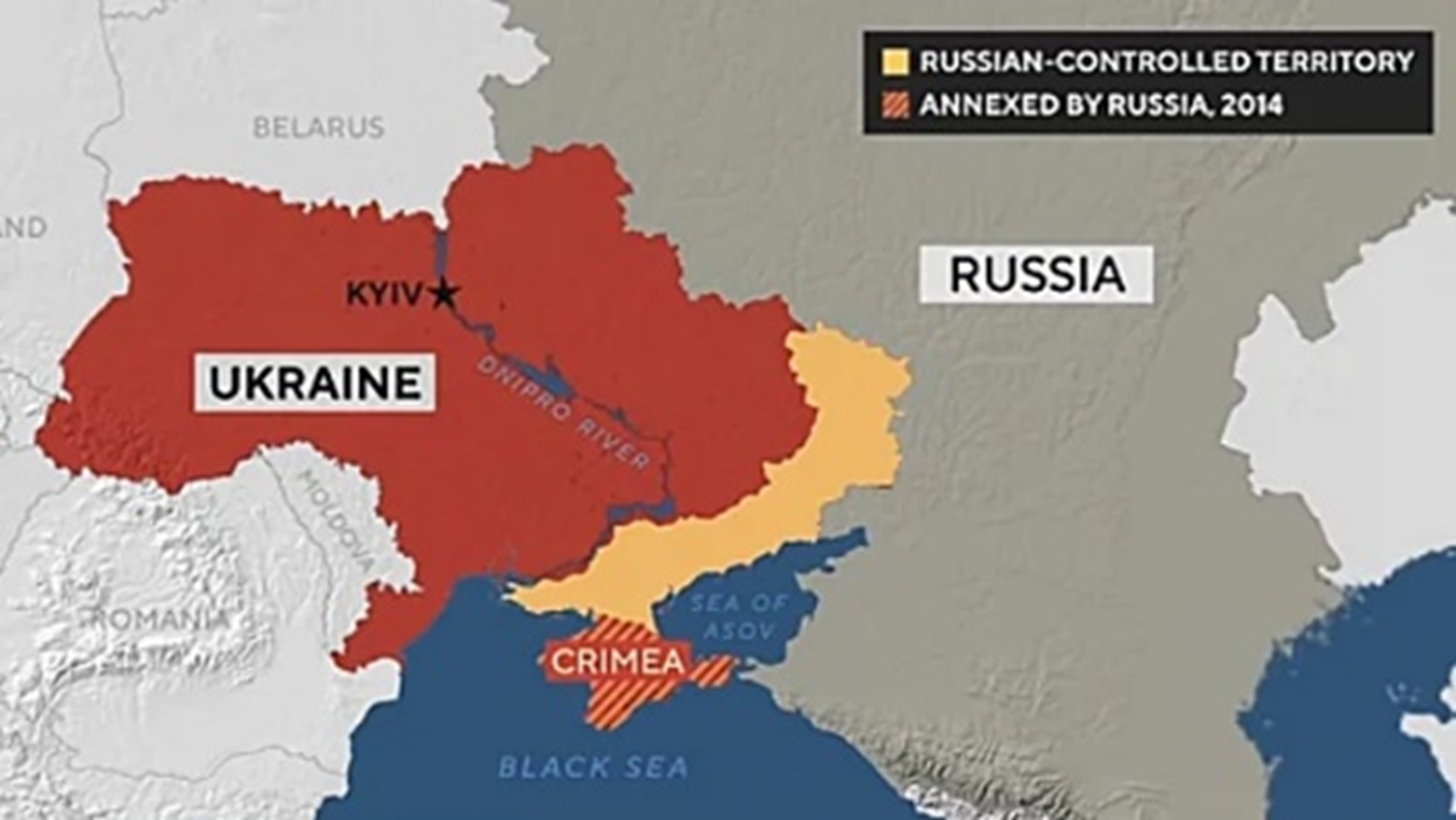 The war in Ukraine continues, with both sides ramping up attacks. As the U.S. strategy appears to shift toward engaging with Russia (e.g., a deal to buy diesel from Russia and to remove some sanctions earlier this month) to help rekindle discussions to end the war, Putin and Zelensky have agreed “in principle” to resume U.S.-mediated trilateral peace talks following a high-level diplomatic visit by U.S. special envoy Steve Witkoff last week. These potential negotiations, focused on establishing a post-war security system, are being considered for mid-November in Abu Dhabi. Additionally, a separate trilateral summit involving Putin, Trump, and Xi may take place next month at the APEC Summit in Shenzhen, China. This is a sensitive topic, and Trump has said he is open to the idea of a meeting, but the primary topic would be denuclearization (rather than negotiating an end to the war in Ukraine). Meanwhile, Russia continues to launch missile and drone strikes targeting Ukraine’s energy infrastructure. These ongoing attacks have struck numerous power and railway facilities, causing severe disruptions to the electrical grid and water supplies in regions like Kyiv, Donetsk, and Zaporizhzhia. Residents in these affected areas have been hit hard, with some neighborhoods experiencing electricity outages lasting over 20 hours. In response, Ukraine has been forced to implement strict electricity rationing to prevent the complete collapse of its power system. At the same time, following the breakdown in the “energy ceasefire” that was never recognized by Russia, Ukrainian forces have retaliated by launching drone strikes against Russian military, data center, and critical energy infrastructure targets. While the back-and-forth energy strikes have been condemned by Trump, the U.S. continues to assist Ukraine by sharing critical intelligence to help track incoming Russian ballistic missiles.
“President Trump has focused much of his diplomacy on President Putin, reflecting his view that Russia holds the decisive leverage to determine whether the war continues or ends. He has long argued that Russia’s larger population, military resources, and ability to sustain a prolonged conflict give it the upper hand, making Ukrainian concessions likely necessary for a settlement. Trump has also expressed frustration with President Zelensky, whom he sees as resistant to compromises that could help end the war. Recent U.S. engagement with Putin has reportedly helped revive peace discussions, while Zelensky appears increasingly open to freezing the conflict along current front lines and accepting territorial concessions if backed by credible security guarantees. Yet willingness to negotiate is not the same as willingness to end the war. A durable peace will require meaningful concessions and binding commitments from both Russia and Ukraine. Progress is therefore unlikely to come from pressure on Ukraine alone and will depend on genuine compromises from both sides.” – General Robert Walsh
“The possible Trump-Xi-Putin summit on the margins of the annual APEC meeting has not been confirmed yet. The margins of such international conferences often resemble ‘diplomatic speed dating’ with 15-minute ‘pull asides,’ 30-minute ‘bilats,’ and some 30-minute ‘multilats’ like meetings of the Quad. President Trump will meet with many of the leaders present, as will Xi and Putin. One of the topics for the possible summit mentioned in the news is possible nuclear talks. This issue goes back years as the U.S. has tried to interest Russia in engaging in trilateral nuclear talks with China, given the latter’s rapid increase in nuclear arms. If this summit does occur, we should expect that Ukraine and Iran will also be on the list. While Zelensky will not be invited, neither will any of the other key leaders in Europe, Asia, or the Middle East that might be affected by the talks. As for peace talks for Ukraine, the outlook must remain negative, as neither side seems willing to give ground on their main concerns. Europe pressuring Ukraine to cede territory that Russia has not conquered seems as unlikely as the U.S. pressuring Putin to give up territory already in his possession.” – General Rick Waddell
“It appears clear that the U.S., and to some degree the Europeans, have determined that some kind of negotiated settlement for the Ukraine War is necessary. While the Russians will be happy to negotiate, any effort to compel Russia into significant compromise is unlikely to succeed. The Ukrainian drone offensive over the summer has not substantially damaged the Russian economy nor has it made Russian negotiation positions more pliant. In fact, in an interview as recently as last week, President Putin reaffirmed his view that Donbas, Crimea, Kherson, and Zaporizhzhia were non-negotiable Russian territory. Economic and military capacity correlations remain strongly in Russian favor, and I don’t foresee anything that will flip that dynamic. Russia remains societally stable. Short of the extremely unlikely threat of direct intervention, or the unlikely imposition of secondary sanctions on major Russian energy consumers, the West has effectively exhausted its coercive leverage over Russia. In negotiations, then, Russia will only agree to a settlement along the lines of its long-stated positions, particularly on territory and on Ukraine’s future alignment. Further, and more importantly, Russia will not accept an unconditional ceasefire or some other mechanism by which the conflict is frozen against a future negotiated outcome. It wants a de jure settlement and will continue fighting until it gets one. None of this bodes well for the outcome of either the U.S., Ukraine, Russia talks, which might occur in November in Abu Dhabi or Geneva, or the potential U.S., Russia, PRC trilateral meeting being mooted for the periphery of the mid-November APEC summit. Any movement in Abu Dhabi will require Ukrainian concessions which they and the Europeans have, thus far, been unwilling to make. As it currently stands, the U.S. and Ukraine are likely to focus on a ceasefire and to re-table variants of proposals Russia has previously rejected when it was in a weaker position than it is now. As for the trilateral meeting at APEC, aside perhaps from a photo session, I am skeptical that the meeting will occur at all. I question whether China, in particular, considers a heads of state meeting in its interest. I think China would prefer not to be drawn into the open on the question of Ukraine unless it can be seen as the great peacemaker, nor would it be interested in engaging on any nuclear arms limitation discussions with Russia and the U.S. The current situation in which those agreements do not apply to the PRC is useful, at least while China modernizes and increases its nuclear arsenal.” – Neil Wiley, Former Principal Executive, Office of the Director of National Intelligence
“Any path to peace runs through Moscow, which currently shows little interest in negotiations. Putin appears to believe that time favors Russia, particularly after recent U.S. sanctions relief, if it remains in place beyond the November midterm elections. He views Europe as the principal threat and the leading external supporter of Ukraine. Moscow is therefore intensifying its hybrid campaign against Europe and applying the concept of ‘Unrestricted Warfare,’ described by two Chinese colonels in their 1999 book. This approach integrates military and nonmilitary instruments, extending conflict into financial markets, trade, telecommunications, critical infrastructure, media, and technology. It erases traditional boundaries between war and peace, an increasingly familiar feature of authoritarian strategy. It is this type of strategy that will define the future character of war, not just the advent of emerging technology.” – General Robert Ashley
“Any deal that is widely perceived as having been imposed on Ukraine and Europe will almost certainly fall into the category of ceasefire rather than a true settlement. Without an effective enforcement mechanism that includes U.S. security guarantees, a deal would likely meet the same fate as the Minsk Agreements that tried to bring the Russian invasion of 2014 to an end. Fighting diminished and the front line became relatively stable for seven years, but core political and security provisions that would ensure Ukrainian sovereignty were never fully implemented and Putin’s obsession with controlling or wrecking Ukraine was never erased. U.S. security guarantees, even if there are doubts about their true worth, will be necessary to secure Ukrainian domestic support. Failure to include Europe in negotiations risks further straining NATO cohesion. Questions about NATO’s capabilities and will to fight are already emboldening Putin to push the envelope with sabotage operations. He would almost certainly continue to look to exploit any rifts after a deal as well. Should China choose to become involved in Ukraine talks, its primary goal would be to enhance its image on the world stage and avoid setting any precedent that might limit its own actions regarding Taiwan.” – Linda Weissgold, Former CIA Deputy Director for Analysis
“Russia appears to hold greater leverage in negotiations to end the war in Ukraine, aided by its continued control of occupied territory and renewed U.S. diplomatic efforts to bring Moscow back to the table. The Trump administration has temporarily eased some sanctions connected to Russian diesel exports, while U.S., Russian, and Ukrainian representatives are discussing renewed talks, and a separate potential Trump-Putin-Xi meeting has also been discussed. Although a negotiated ceasefire may appear unfavorable to Ukraine, it could offer the best near-term path to reduce casualties and halt large-scale fighting. President Zelensky has indicated a willingness to freeze the conflict along the current line of contact, but he has rejected formally ceding additional Ukrainian territory or recognizing occupied areas as Russian territory. Any agreement would require credible enforcement, sustained Ukrainian defensive capacity, and strong long-term security guarantees. Rather than assume Russia will inevitably violate a future agreement, it is more accurate to say that the risk of renewed aggression will remain significant if Russia reconstitutes its forces and concludes that deterrence is weak or Western support has fractured. Europe will most likely remain central to Ukraine’s security: continuing military, financial, and industrial support for Kyiv while demonstrating that aggression against any European state would carry a unified response. One more thing to consider: a ceasefire would not resolve the underlying conflict between Russia and Ukraine. Continued strikes and growing public hostility on both sides have deepened distrust and will make future reconciliation substantially more difficult.” – General Steven Basham
Conflict Between Ethiopia and Eritrea
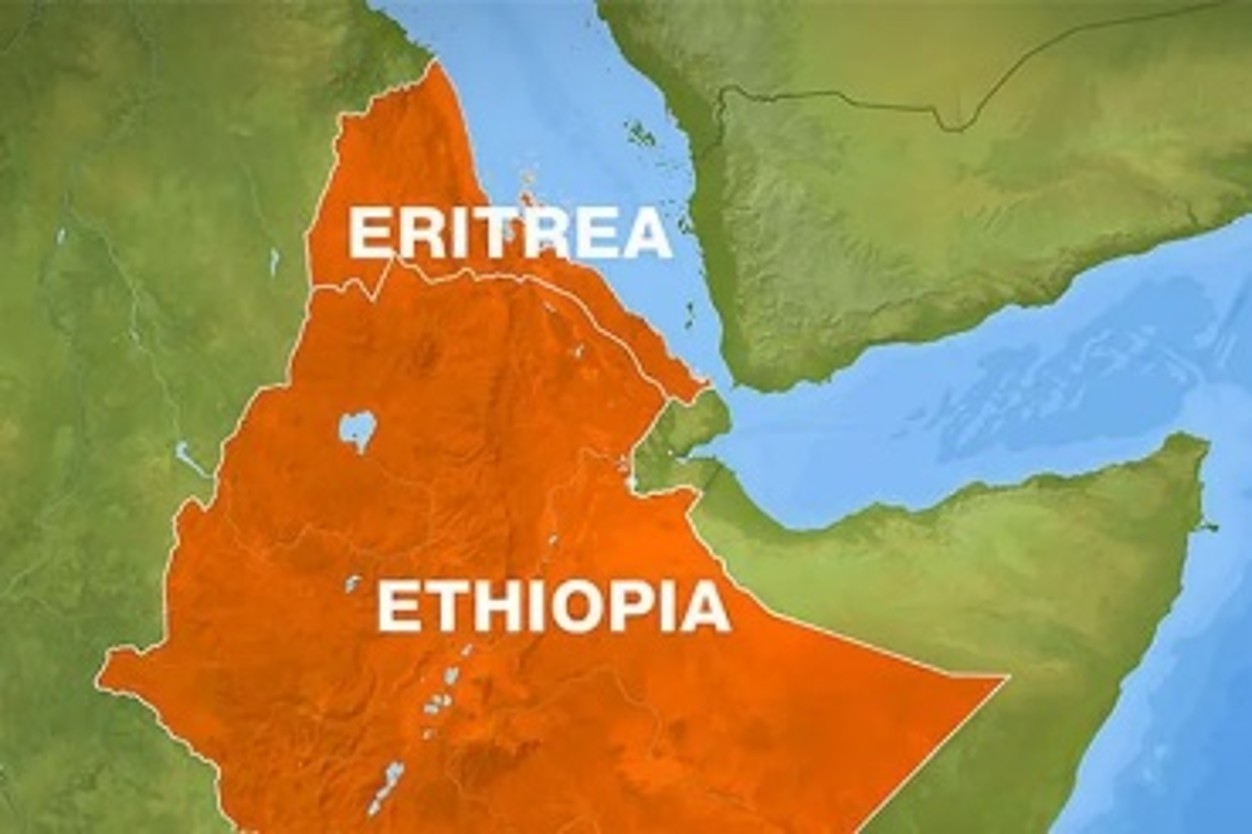 Tensions between Ethiopia and Eritrea have reached a very dangerous point, with regional leaders warning that the Horn of Africa faces an imminent threat of all-out war. The crisis intensified following the late September collapse of the 2022 Tigray peace deal, sparking a large-scale operation that brought Ethiopian troops directly up to the Eritrean border. Ethiopian officials also formally accused Eritrea of initiating an “all-out invasion” by deploying several thousand soldiers 37 miles into northern Ethiopian territory. In response, the Ethiopian military launched retaliatory drone strikes against Eritrean military positions. Eritrea has fiercely denied these incursions, countering that Ethiopia’s aggressive focus on obtaining access to a Red Sea port amounts to a declaration of war. Diplomatic talks dissolved after both nations shuttered their respective embassies, leading to further potential escalation. The concern is that this conflict could spread beyond the two countries involved as Egypt and Sudan lean toward supporting Eritrea, while the UAE supports Ethiopia. The threat of war is further exacerbated by Eritrea’s reported proxy support for a newly consolidated (Ethiopian) opposition group known as the Alliance for Survival. In an attempt to get in front of the growing humanitarian crisis, Secretary of State Rubio initiated emergency diplomatic mediation efforts to de-escalate the standoff and push both leaders back toward their 2018 peace framework. Unless resolved, this renewed conflict would not only destabilize East Africa but could also disrupt global traffic flowing through the Red Sea.
“Renewed warfare between Ethiopia and Eritrea seems increasingly plausible and would have significant negative implications for U.S. national security priorities and the global economy. Fighting intensified last month between Ethiopian forces and the Tigray People’s Liberation Front, which recent reports indicate is receiving support from its former adversary Eritrea. Ethiopian Prime Minister Abiy’s pursuit of Red Sea access, which was lost in 1993 when Eritrea became independent, has heightened Eritrea’s concerns. Diplomatic relations have broken down between the two countries, and African Union and UN mediation efforts have struggled to make headway. This isn’t just an isolated African border dispute. There is a real possibility that a limited military conflict could quickly intensify to compound the Red Sea shipping disruption being caused by the Houthis on the opposite coast. Al-Shabaab terrorists in Somalia could exploit weakened border controls caused by instability in Ethiopia to expand their operating space. U.S. forces in Djibouti are already heavily committed. Eritrean, Egyptian, Sudanese, and Somali leaders, all of whom have grievances with Ethiopia, met in early October and agreed to strengthen political, economic, and security coordination. It will be particularly telling to see if Egypt, which has a dispute with Ethiopia over control of Nile water, moves beyond diplomatic or logistical support into more direct military assistance.” – Linda Weissgold, Former CIA Deputy Director for Analysis
Trump | Xi Meeting at APEC
 On the heels of the September Summit in the U.S. between President Trump and President Xi that we addressed in our previous ATW, plans are being finalized for another meeting between the two leaders at the APEC Economic Leaders’ Meeting in Shenzhen, China, scheduled for November 18th and 19th. While there are many topics on the agenda for that meeting, as mentioned in the previous section on Russia/Ukraine, there have also been discussions about including President Putin in a trilateral summit. Russia confirmed that Chinese representatives are already organizing the logistics for this potential three-way meeting, though all three nations must still formally agree on the exact agenda. On the U.S.-China front, negotiators are trying to finalize investment deals before the Shenzhen summit. These intense talks aim to operationalize the U.S.-China Board of Investment, which previously faced pushback in the U.S. over Chinese automotive sector investments. The upcoming meeting will build upon deliverables from the September Summit in the U.S., which achieved a temporary extension of the core U.S.-China trade agreement through January 2027 and a reciprocal $30 billion tariff reduction framework. The discussions around emerging tech governance will also continue following the recent launch of the China-U.S. “AI Dialogue,” which is a standing channel to discuss the risks and benefits of advanced AI. In addition to trade and AI, other agenda items to be discussed between Trump and Xi will include Taiwan, rare earths and critical minerals, and the conflict in the Middle East. A continuation of the desire to see “strategic stability” between the U.S. and China will likely be the main outcome, but our GIG will be looking for indicators of a change in tone around the timing of the second ($14 billion) arms package for Taiwan, and where China might be helpful, even behind the scenes, in pressuring Iran to stop the harassment of commercial shipping in the Strait of Hormuz.
“President Trump’s primary objective at next month’s APEC summit with President Xi Jinping is expected to be maintaining stability in the U.S.-China relationship. Despite pressure from hardliners on both sides, both leaders have prioritized economic growth over escalation, and Trump is likely to focus discussions on trade issues, including rare earth and critical mineral access, agricultural purchases, tariff reductions, and expanded U.S. exports such as aircraft sales. Both economies face distinct challenges and neither side appears interested in reigniting a tariff conflict that could undermine growth and stability. While Trump may seek China’s assistance regarding Iran, meaningful cooperation remains uncertain without significant U.S. concessions. Taiwan is expected to remain the most significant point of contention. Overall, both leaders recognize that a fundamental rapprochement is unlikely. Instead, they are focused on managing competition through a more predictable and stable relationship that supports economic objectives while reducing the risk of escalation. The key measure of success will be progress toward enforceable economic agreements that move beyond previous commitments.” – General Robert Walsh
“Trump and Xi will continue discussions on superintelligence and modest ways that the U.S. and China can cooperate in this area without impeding their respective objectives. The talks will also focus on trade issues and rare earths/critical minerals but will likely not produce any significant breakthroughs other than a commitment to continuing to talk under the current tariff regime extension. Xi will continue to press Trump to take a position on Taiwan’s independence and withhold arms sales, especially if the midterms suggest a change in the party in the White House following the U.S. 2028 presidential election. Xi sees tremendous opportunity to continue to strengthen China’s position with Taiwan under this administration. Of note, China continues to encroach in the South China Sea, renewing tensions in early October with the Philippines by operating a large research vessel near the Batanes Islands. A potential meeting between Trump, Xi, and Putin at the APEC summit in China in November would be a significant achievement for Xi. In his quest for China to be a great power, he wants the country to be seen as a diplomatic power broker. Mediating a settlement on Ukraine between Russia and the U.S. supports this objective and would send a very strong signal to Taiwan. There is risk for Xi, though, if he agrees to the talks since it will not be viewed favorably by Europe, an essential economic market for China. The meeting could also overshadow any of APEC’s regional objectives. I don’t expect Xi would agree to other topics like denuclearization where China’s interests would be on the table.” – Admiral Kelly Aeschbach
“Trump and Xi will certainly discuss trade items. Xi will once again proclaim that Taiwan is purely an internal matter. If Putin joins the discussion, pundits will proclaim the meeting a bad precedent that ‘normalizes Putin,’ while forgetting that European leaders met with Putin many dozens of times from the first invasion of Ukraine in 2014 until the second invasion in 2022, and equally forgetting to mention that the EU, according to Treasury Secretary Bessent, still does ten times the trade with Russia that the U.S. does. Expectations for Trump-Xi or a Trump-Xi-Putin summit should be tempered with the track record of such meetings in the past.” – General Rick Waddell
“I believe the U.S. is solely focused on ending the Iran conflict/war. There will be cursory conversations on the economy, but I believe POTUS wants to get this over with and show some success politically. I believe Xi will look to support both Putin and the U.S. if we remove our influence in the region, meaning deleveraging our support to Taiwan. My concern would be what we might do and how that would impact our treaty allies in the region of which there are five. It doesn’t appear that we have consulted our allies or partners so I can only imagine their concerns regarding what could be on the table.” – General Brian Cavanaugh
“As with previous Trump-Xi meetings, I think the agenda for this one will be dominated by economic issues, not some kind of grand strategy accommodation. The most obvious items include the trade truce, tariffs, rare-earth/critical-mineral restrictions, U.S. tech controls, agricultural purchases, and potentially AI dialogue. These are areas where both the U.S. and China have identifiable leverage and incentives to prevent further escalation. Strategically, however, Taiwan remains the most sensitive issue. Xi will undoubtedly press Trump to constrain arms sales and political support for Taipei. A Trump-Xi-Putin meeting would carry greater symbolism than substance. Sure, they could discuss Ukraine, nuclear arms control, Iran, North Korea, AI, energy markets, etc., but the optics themselves would matter enormously. The three powers discussing global security arrangements would certainly reinforce perceptions of a return to great-power spheres of influence as a framework for geopolitical developments. Japan, Taiwan, the Philippines, and other allies would watch closely to see whether Washington appears willing to negotiate regional security questions over their heads. I think Xi is always interested in portraying China as a diplomatic broker, but I think he has yet to deliver significant diplomatic achievements between warring factions, in the Middle East or elsewhere.” – General Karen Gibson
“China has plenty of challenges, balanced by extraordinary opportunities and responsibilities. Why would China take risks with this delicately honed and planned journey through high-stakes adventurism or strategic interference, while the world stumbles into mistakes of its own making? China’s partnership opportunities with the U.S. are, therefore, only made in China’s best long-term interest, while democracies pursue short-term politicized presentations. The U.S. enters these exchanges still empowered with residual military authority but declining technical advantage as the leakage of strategic knowledge levels the playing field. President Xi has to do little but keep the tiller midships.” – Admiral Sir George Zambellas